
Readville, a lesser-known neighborhood tucked within Boston’s Hyde Park section, has become an intriguing area for homebuyers in 2025. While overshadowed by more prominent Boston neighborhoods, Readville’s appeal lies in its balance of affordability, accessibility, and quiet residential charm. Nestled along the Neponset River and abutting the Blue Hills Reservation, Readville combines the convenience of city living with the feel of a tucked-away suburb.
Transportation is one of Readville’s biggest assets. The neighborhood is served by the Readville MBTA Station, offering commuter rail service on both the Fairmount Line and the Franklin Line, with direct access to South Station. This dual-line service gives residents flexibility and reliable connections to downtown Boston in under 25 minutes. For drivers, access to Route 138 and I-95 makes commuting around Greater Boston and to surrounding towns surprisingly convenient. The recent 2024 expansion of the Truman Parkway corridor added bike lanes, upgraded sidewalks, and improved signage, enhancing multi-modal transit throughout the area.
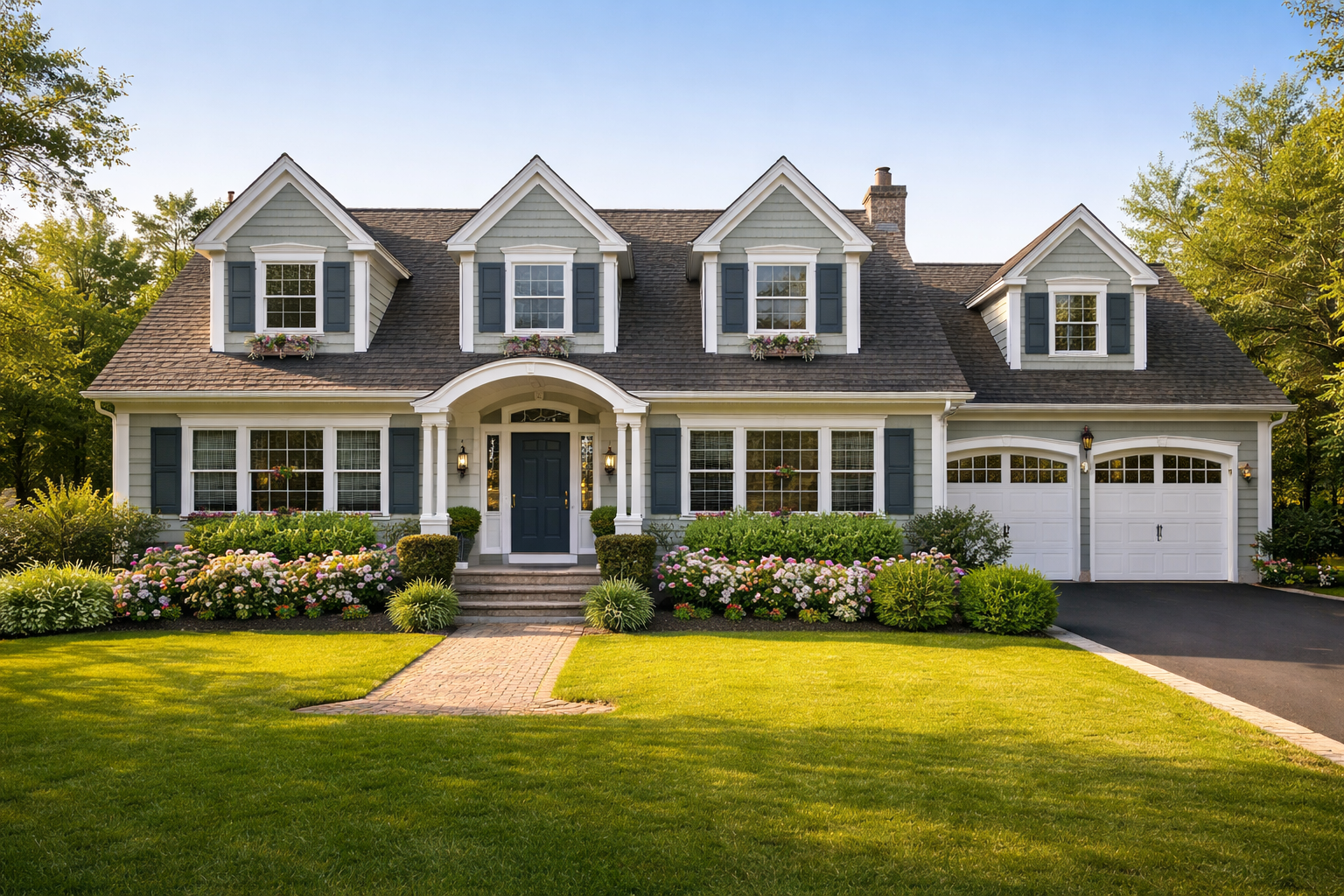
As of mid-2025, the median home price in Readville is approximately $589,000, which is considerably more accessible than Boston’s citywide median of over $820,000. This pricing difference has made Readville particularly attractive to first-time buyers and those seeking value in a rapidly appreciating metro area. Housing options include modest single-family colonials, vinyl-sided capes, and newer townhomes built in the last 15 years. Some older properties have been recently renovated, offering move-in-ready conditions with updated kitchens, baths, and energy-efficient systems. This diversity allows buyers to enter the market at various price points while still gaining access to city amenities.
Readville’s modest commercial footprint is one of the reasons it retains its quiet, residential feel. While you won’t find bustling shopping corridors, there are several neighborhood staples: corner markets, delis, hair salons, and auto repair shops that serve the community well. The proximity to shopping in Dedham and West Roxbury offsets the lack of large retail centers, and new zoning changes passed in 2024 may soon allow for more mixed-use buildings near the train station. The city has issued a call for proposals to convert two underutilized municipal lots into retail-residential hubs, with public input sessions scheduled throughout 2025.
One of the neighborhood’s major advantages is its green space. The nearby Stony Brook Reservation provides hiking trails, picnic areas, and athletic fields, and the adjacent Turtle Pond is a favorite for kayaking and birdwatching. In 2025, the Boston Parks and Recreation Department completed updates to the Smith Field playground, including a splash pad, new basketball courts, and accessible equipment. These enhancements have reinforced Readville’s identity as a peaceful, family-friendly retreat within Boston city limits. Community volunteers also launched the Readville Garden Walk program this spring, encouraging residents to beautify their yards and share urban gardening tips in seasonal meetups.
Education options have improved steadily. The local public school is the Roosevelt K–8 School, which has made gains in academic outcomes and enrichment programming. New arts partnerships and STEM curriculum grants have added to the district’s appeal in 2025. Charter and parochial schools in the area—including Boston Preparatory Charter and the nearby Sacred Heart School—give parents multiple alternatives without long commutes. The Boston Public Library’s Hyde Park branch, only minutes away, adds further educational value with youth reading programs, career prep sessions, and homework help centers that serve local students after school hours.
Readville also draws buyers seeking a strong sense of community. While it is part of a major city, it retains a village feel, with active neighborhood associations and regular block parties, yard sales, and community cleanups. Newcomers often comment on how welcoming long-time residents are, and initiatives like “Meet Readville,” a quarterly welcome event hosted at the local church hall, make it easy to plug in socially. The Readville Civic League holds monthly open forums on housing, transit, and safety topics, and distributes a bilingual newsletter to ensure inclusion for all demographics.
Affordability, relative quiet, and connectivity aren’t Readville’s only draws. The area is beginning to see thoughtful development as part of Boston’s broader push to expand housing options in underutilized areas. Small-scale infill developments have replaced vacant lots and aging duplexes, and a recent city grant program supports accessory dwelling unit (ADU) construction—ideal for multigenerational living or rental income. These changes have been welcomed by residents who want to grow the neighborhood responsibly while retaining its essential character.
Readville’s demographic diversity also stands out. The neighborhood includes families of Irish, Caribbean, Latin American, and Cape Verdean descent, among others. Local eateries and events reflect this mix, such as cultural food pop-ups at the Truman Parkway lot and community festivals that celebrate heritage and inclusion. In 2025, the Hyde Park Arts Collaborative launched a mural project in Readville that engaged youth artists to highlight the area’s multiethnic history and evolving identity. A newly funded oral history archive is also underway, preserving stories from longtime residents in English, Spanish, and Cape Verdean Creole.
For those who work remotely or hybrid schedules, Readville offers several advantages. Homes here typically feature more interior space than comparable Boston neighborhoods, and yards are more common. Recent upgrades by local ISPs have brought fiber internet to most blocks, and a coworking lounge opened on Hyde Park Avenue this year, giving freelancers and remote employees a third place to work beyond home and office. It’s a major plus for buyers who want space without completely giving up the energy of the city. The lounge also hosts monthly business development workshops, further rooting the remote-work lifestyle in neighborhood life.
Public infrastructure continues to improve. Street repaving projects in 2025 have made roads safer for pedestrians and cyclists, and new LED lighting installations throughout residential areas are part of Boston’s climate resilience efforts. The Readville train station is scheduled for further upgrades to improve accessibility and platform safety, funded in part by a state transportation improvement bond. These updates, while incremental, reflect a broader recognition of Readville’s strategic importance in Boston’s southern transit network.
Public health and safety services have also received attention. The Boston Fire Department completed renovations at Engine 49, the local firehouse, and new EMT units have been stationed nearby as part of a citywide effort to improve emergency response times. Neighborhood health providers—including Mattapan Community Health Center—have added outreach services in Readville, offering mobile clinics and mental health counseling. These additions are especially valued by residents who lack transportation or flexible schedules to seek care in other parts of the city.
From a planning perspective, Readville is being included in long-term city discussions for equitable growth. Boston’s “Imagine 2030” initiative highlights Readville as a model for transit-oriented development with neighborhood integrity. Urban planners are evaluating ways to incorporate more affordable units without gentrifying existing residents out of the area. Workshops this year have focused on sustainable building codes, traffic calming, and preserving tree canopy while increasing density. Local architects and developers are being incentivized to pursue passive house standards and rainwater harvesting features in upcoming builds.
Buyers exploring Readville in 2025 find that while the neighborhood is quiet, it is far from stagnant. A growing number of small-scale development proposals, city investments in infrastructure, and grassroots community initiatives are putting this corner of Boston on the map. At a time when affordability and space are increasingly rare within city limits, Readville offers a calm, welcoming, and well-located alternative—one that feels like a secret locals are just starting to share.