
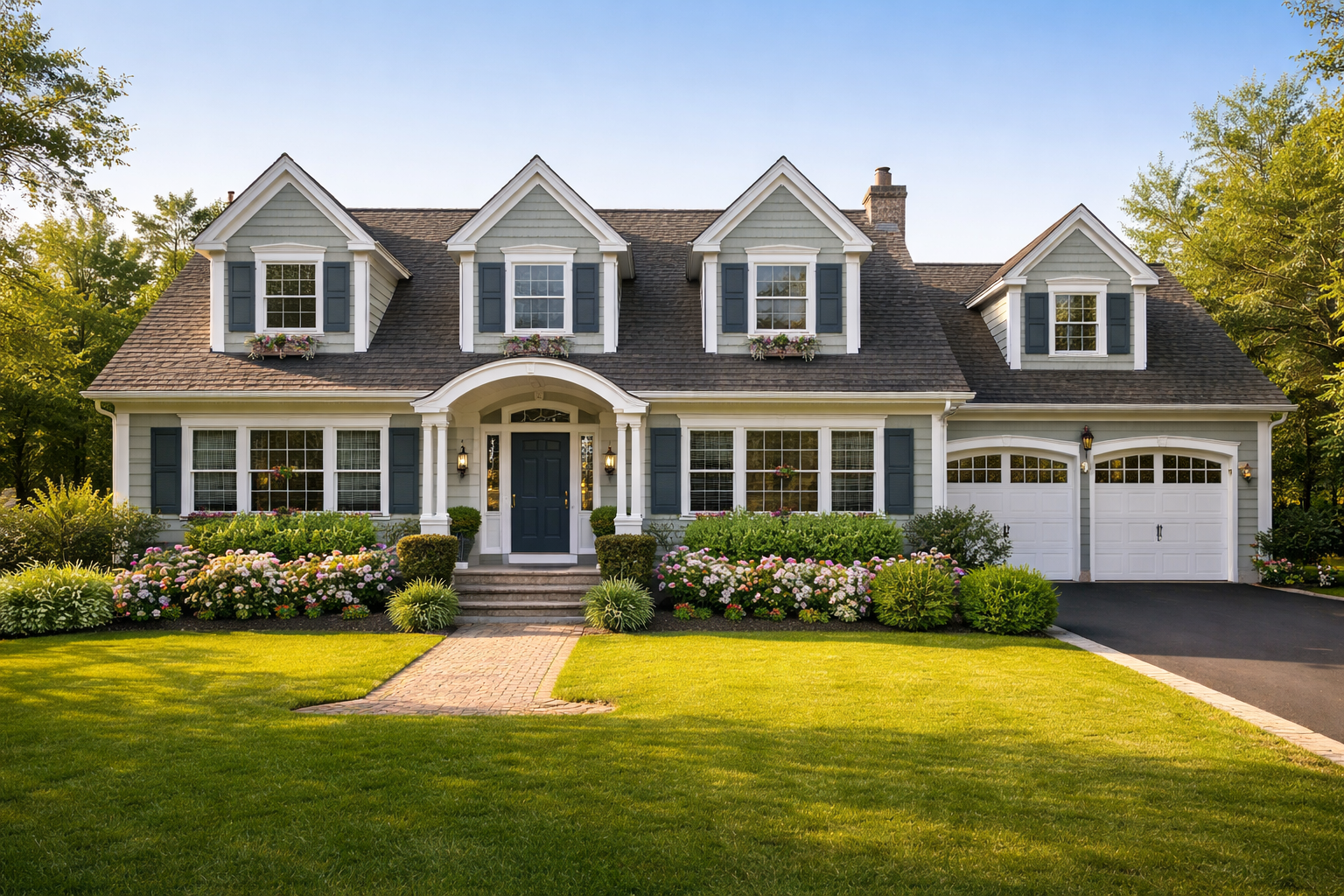
In 2025, Needham, MA is setting a powerful example for how suburban towns can evolve by investing in homes that aren’t just beautiful for the moment—but functional and resilient for generations. Rather than chasing trends or embracing teardown culture, more builders, architects, and families in Needham are thinking long-term. The result is a new era of residential design where comfort, accessibility, energy efficiency, and adaptability are valued just as much as square footage and curb appeal.
Across neighborhoods like Mitchell, Broadmeadow, and Needham Heights, the trend is clear: homes are being built and remodeled to last—not just structurally, but socially and economically as well. It’s common now to see properties that include multigenerational design features such as first-floor owner’s suites, finished basements with separate entrances, and flexible rooms that can shift from office to nursery to in-law suite as life evolves. These layouts recognize that family needs change over time.
What distinguishes this movement in Needham is the town-wide alignment behind it. Local policymakers, contractors, and residents are embracing the value of homes that grow with their owners. In fact, recent zoning changes have made it easier to add accessory dwelling units (ADUs), expand within existing footprints, and incorporate green infrastructure like permeable driveways and solar-ready roofs. The town’s Planning Board also launched a “Build Smart Needham” initiative in 2024 to incentivize sustainable construction and intergenerational functionality.
Builders like Weston Hill Construction and Paragon Homes have pivoted accordingly. Instead of focusing on maximizing luxury square footage, they’re working with clients to create homes that emphasize smart design. This means thicker insulation for long-term utility savings, electric-ready garages for EVs, induction cooking over gas, and radiant heating systems for healthier indoor air. These decisions reflect a generational approach: what’s built now should serve families for decades with minimal retrofitting.
Inside the home, attention to detail has shifted. Kitchens and bathrooms are now being designed not just for visual appeal, but for aging in place. Non-slip tile, roll-in showers, and lever handles are standard in many new builds. Hallways are wider, doorways accommodate mobility aids, and staircases often come pre-engineered for future stair lifts. These are not luxury upgrades—they’re necessities for long-term livability, and more families are realizing their importance before they’re needed.
According to the 2025 Needham Building Department permit data, more than 30% of new single-family home applications now include features designed for multiple generations. Whether for adult children moving back home or aging parents transitioning out of independent living, homes are being planned to provide comfort and autonomy for all stages of life. In response, real estate professionals are adjusting how they market properties. MLS listings increasingly highlight ADUs, guest suites with private entrances, and flexible main-floor layouts.
This shift isn’t confined to new construction. Longtime Needham residents are choosing to renovate rather than relocate, driven by the town’s excellent school system, safety, and sense of community. Families are updating their homes with energy-efficient systems, better insulation, and accessibility improvements. Rather than start over elsewhere, they’re expanding and modifying the homes they already know and love. Local firms like The Wiese Company have seen a surge in requests for home upgrades that reflect permanence and adaptability.
Part of Needham’s success in fostering this movement comes from its cohesive infrastructure. The town’s long-standing commitment to neighborhood schools, walkability, and public safety has created a foundation where residents feel confident investing deeply in their properties. A family that purchases a home in 2025 isn’t just buying for five to ten years—they’re planning for their children to graduate from Needham High School, for their aging relatives to live nearby, and for themselves to remain in the community well into retirement.
Home values have kept up with the town’s forward-thinking approach. Despite statewide concerns about real estate slowdowns, Needham’s market remains stable. Properties that reflect this multigenerational, flexible design philosophy are often receiving multiple offers. Buyers appreciate the reduced need for future renovations and the ability to accommodate changing household needs without moving. According to recent data from the MLS Property Information Network, homes with accessible first-floor bedrooms and multi-suite layouts are in especially high demand.
Green building has become a natural complement to these long-term planning efforts. Many of Needham’s newer homes are built to net-zero standards or close to it. Features like solar-ready roofing, high-efficiency HVAC systems, airtight building envelopes, and rainwater capture systems are not just environmentally conscious—they reduce long-term operational costs for homeowners. This has made Needham a leader among Boston suburbs in aligning sustainability with family-focused design.
What makes Needham's housing market truly stand out in 2025 is that even luxury buyers are demanding longevity. Builders who once prioritized marble and glass accents now report increased demand for thermal mass flooring, superior ventilation systems, and energy modeling during the design phase. The goal is no longer just to impress—it's to endure. This approach aligns well with the values of today's younger homebuyers, who tend to prioritize sustainability and long-term affordability over short-term aesthetics.
In neighborhoods near the Charles River and along Great Plain Avenue, it’s not uncommon to find homes that have been in the same family for three or even four generations. These homes often feature thoughtful updates: extended porches that double as accessible entrances, detached garages converted into studio apartments, and backyards redesigned for both gardening and play. The homes tell a story—one not of cycles of selling, but of permanence, stability, and belonging.
Beyond private homes, Needham’s broader housing policies are catching the attention of other municipalities. The town’s progressive stance on permitting ADUs, supporting mixed-use development near transit corridors, and funding public infrastructure improvements has earned recognition from the Massachusetts Housing Partnership. These policies ensure that the housing stock continues to grow in quality and versatility while maintaining the town’s essential character.
Schools also play a critical role. Parents often cite the strength of the Needham Public Schools as the reason they’re committed to staying in town for the long term. This school loyalty leads to greater homeowner retention, which in turn encourages deeper investment in the physical homes themselves. School buildings are also evolving, with designs that support lifelong learning and community use, reinforcing the message that Needham is a town built for every generation, not just for those currently raising children.
Builders, realtors, and town officials agree: this shift toward generational housing isn’t a trend—it’s a transformation. Needham has embraced the idea that homes should serve as foundations for life, not just assets for wealth. And in doing so, it has created a market where families are empowered to stay rooted, pass properties from one generation to the next, and thrive together in a place built to last.
Needham in 2025 is more than a housing market—it’s a case study in community resilience. With homes designed for both present and future needs, and families eager to invest not just in square footage but in sustainability, the town is proving that long-term planning pays off. As more towns look for models that balance growth with integrity, Needham is showing that generational design isn’t just possible—it’s powerful, and it’s already here.