
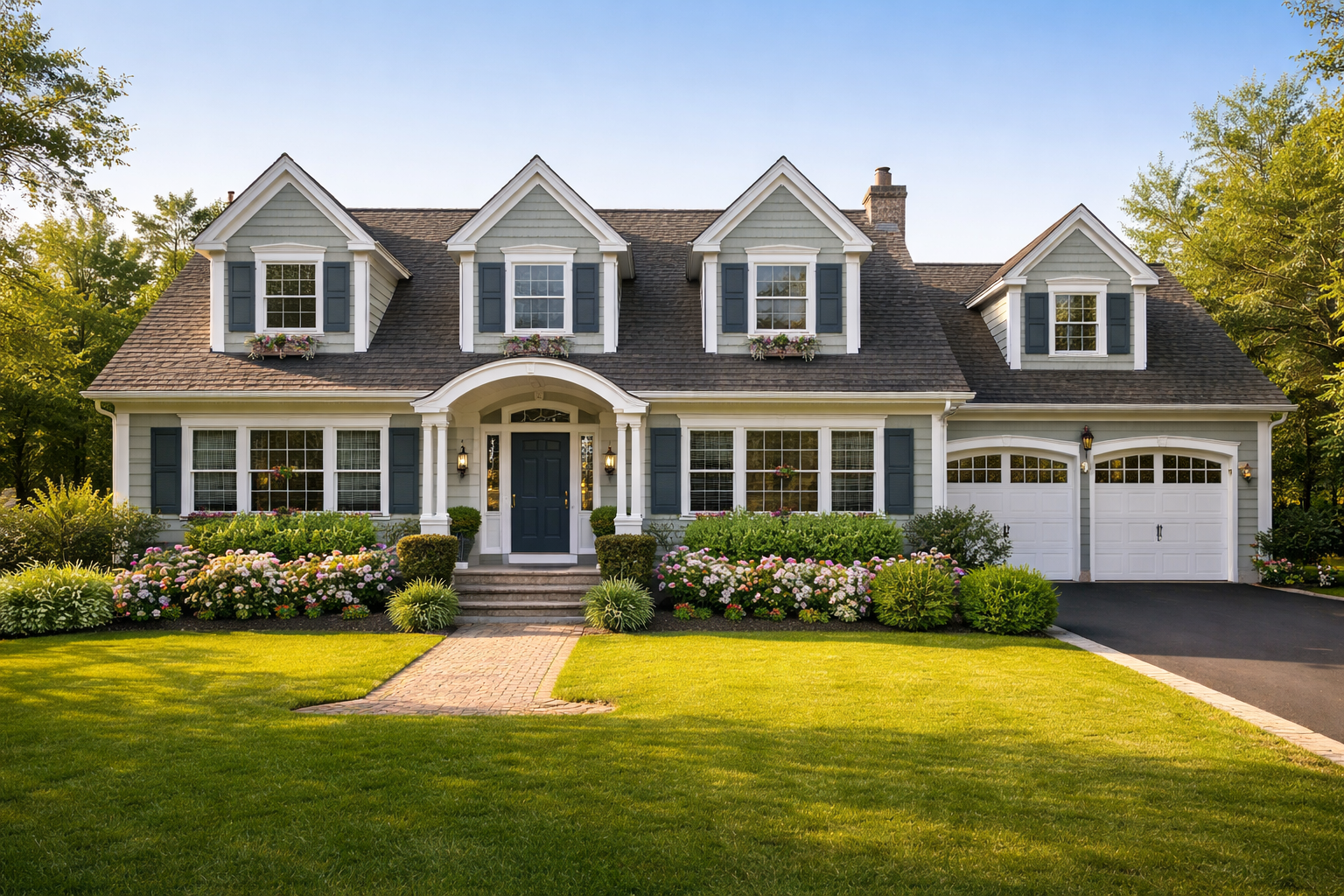
Just 15 miles from downtown Boston, Lincoln, MA is a rare gem where nature, history, and sustainability intersect in a community uniquely suited for eco-conscious living. This rural suburb in Middlesex County has become increasingly attractive to buyers who prioritize environmental stewardship without sacrificing access to the city. With more open space than any other town in the region and a town-wide focus on green policy, Lincoln continues to lead the way for conscious development and smart residential planning.
Lincoln’s commitment to green space is more than just a selling point—it’s a legal and cultural cornerstone. Roughly 70% of Lincoln’s land is protected through conservation easements or state-owned forest, field, and wetland areas. Homebuyers here are drawn not only to the stunning natural landscape but also to the tight-knit community ethos around preservation. It’s common to find residents participating in conservation commissions, local farm shares, and sustainability workshops hosted at the Lincoln Public Library or deCordova Sculpture Park and Museum.
Energy-efficient home design is thriving in Lincoln, where both new constructions and renovations increasingly feature solar panel installations, passive house design principles, and reclaimed materials. Builders and buyers alike are encouraged to align with the town’s evolving sustainability guidelines, which promote everything from permeable driveway materials to geothermal heating systems. Notably, the town recently streamlined its permitting process for energy-efficient upgrades, making it easier for homeowners to adopt greener technologies without long delays or excessive red tape.
Transportation also reflects Lincoln’s eco-first values. With a stop on the Fitchburg commuter rail line and a strong cycling culture supported by well-marked paths and frequent community events, many residents forego traditional commuting altogether. The town has expanded electric vehicle charging infrastructure at key public locations, including the Lincoln Station parking lot and Town Hall. For daily errands, local farm stands and farmers markets are walkable from many residential neighborhoods, further reducing the community’s carbon footprint while supporting local agriculture.
Education plays a major role in reinforcing green values. Lincoln-Sudbury Regional High School integrates environmental science into its core curriculum and offers electives focused on sustainable agriculture, climate action, and civic engagement. At the primary level, the Lincoln Public Schools have earned recognition for their green initiatives, including an award-winning composting program and eco-literacy partnerships with local land trusts. These efforts signal to eco-conscious families that Lincoln is more than a place to live—it’s a place to learn, grow, and contribute to a healthier planet.
Architecturally, Lincoln is notable for its embrace of modernism alongside natural aesthetics. Homes are often integrated into the landscape with large windows, low-impact footprints, and wood or stone exteriors. Buyers can find a range of property types from mid-century modern estates nestled in wooded enclaves to LEED-certified new builds with cutting-edge green tech. This range of options makes Lincoln ideal for anyone from first-time buyers seeking a sustainable start to seasoned homeowners ready to align their lifestyle with their values.
In terms of pricing, Lincoln sits at the higher end of the suburban Boston market, with a median single-family home price around $1.6 million as of early 2025. That premium reflects not just square footage or finishes, but the town’s deliberate commitment to quality of life, land stewardship, and educational excellence. Inventory remains tight, but demand from both local and international eco-conscious buyers keeps competition healthy, especially for properties near trail networks or conservation zones. Some of the most desirable homes are those located within walking distance to Lincoln’s dozens of publicly accessible trails, which wind through farmland, forest, and historic landmarks.
Local governance supports sustainability through both policy and partnership. The Lincoln Green Energy Committee actively collaborates with the Massachusetts Clean Energy Center and local solar companies to incentivize adoption. In recent town meetings, residents approved grants to help retrofit municipal buildings with energy-efficient lighting, improved insulation, and solar roofs. As a result, Lincoln's public spaces not only serve the community but also model the town’s values in action, inspiring residents to bring the same commitment home.
Community engagement is woven into every aspect of Lincoln life. Residents are known for hands-on participation in initiatives like invasive species removal days, zero-waste community picnics, and “walk-to-school” programs that reduce emissions while building local pride. There’s a shared sense that each resident has a role to play in maintaining Lincoln’s delicate environmental balance—and that perspective attracts like-minded neighbors who genuinely care about the land they live on.
Home gardening and local food systems are another pillar of the eco-conscious lifestyle in Lincoln. Many homes feature rainwater collection systems, organic garden beds, and pollinator-friendly landscaping. The town supports these efforts with workshops, seed exchanges, and partnerships with organizations like the Lincoln Land Conservation Trust. Farmers markets thrive here not just as places to buy food, but as community hubs where residents connect over shared values and local pride.
The town also embraces progressive zoning laws that discourage sprawl and protect ecological corridors. Cluster housing is favored in many development plans, which helps preserve larger tracts of open space while still allowing for thoughtful residential expansion. Lincoln is a model of how careful planning and resident input can result in a built environment that feels both livable and ecologically responsible. For eco-conscious buyers, this translates into long-term value—both for their real estate investment and the environment it inhabits.
One of the often-overlooked benefits of buying in Lincoln is the town’s long-standing investment in sustainable infrastructure. Waste management programs are robust, offering curbside composting options and clearly separated recycling initiatives. Lincoln was among the first towns in the state to adopt a municipal zero-waste goal, and this commitment has led to a measurable decline in landfill contributions per capita. Homeowners are educated and supported through seasonal town mailers, workshops, and coordinated events like “Green Week.”
Local organizations further amplify Lincoln’s green mission. The Lincoln Garden Club, Lincoln Conservation Commission, and the Food Project are all deeply involved in shaping the ecological culture of the town. These groups host events throughout the year—tree planting ceremonies, seed-saving exchanges, and organic gardening classes—that attract residents of all ages. For new homeowners, these organizations offer not only education but also an immediate sense of belonging and purpose.
The town's public amenities also reflect a forward-thinking design philosophy. Lincoln’s playgrounds, libraries, and community centers are often built or retrofitted with sustainable materials and solar installations. Public walking paths are maintained with native species landscaping to avoid invasive spread, and stormwater runoff is actively managed with bioswales and rain gardens. These small but important choices make a big difference in keeping the town both beautiful and functional during New England’s changing climate conditions.
Technology and sustainability go hand in hand in Lincoln. Many homes now feature smart thermostats, advanced irrigation systems, and real-time energy monitors to help families track their consumption. Several neighborhoods participate in “solar share” co-ops, reducing overall energy costs while building community engagement. Forward-looking buyers are increasingly seeking homes that support these innovations, adding a new layer of competition to listings that once might have been overlooked.
Real estate agents serving the Lincoln market have adapted accordingly. Green-certified agents are now in high demand, as buyers expect in-depth knowledge of energy-efficient features, rebate eligibility, and sustainable home design. This new breed of real estate professional often works in tandem with local environmental consultants to ensure buyers make informed, values-aligned decisions. As a result, Lincoln’s real estate scene is becoming a model for other towns looking to attract similarly minded residents.
Another compelling feature of Lincoln is its proximity to critical environmental research. The nearby Walden Woods Project and Harvard Forest offer educational and volunteer opportunities for residents who wish to deepen their understanding of local ecosystems. For eco-conscious families, this access to thought leadership and hands-on learning is a unique advantage. Children raised in Lincoln have the rare opportunity to grow up surrounded by conservation in practice—not just in theory—which enriches their educational experience in meaningful ways.
As remote work remains popular, more homebuyers are considering smaller towns like Lincoln that offer both tranquility and modern amenities. Fiber-optic internet infrastructure has been expanded in recent years, ensuring that even rural homes have reliable access to high-speed connectivity. This has enabled a new wave of professionals in tech, design, and education to settle in Lincoln while maintaining access to global markets, further diversifying the community and raising standards for sustainable living.
Looking ahead, Lincoln is preparing for the challenges of climate change with a proactive mindset. The town’s Climate Resilience Plan, updated in 2024, includes measures to mitigate flooding, protect biodiversity, and expand renewable energy adoption. Homeowners are encouraged to landscape with native drought-tolerant plants and avoid chemical lawn treatments that harm pollinators. These practices are supported through educational grants and community incentive programs that reward participation with tax rebates and public recognition.
Even in a competitive market, Lincoln’s homes maintain long-term appeal because they are positioned as part of a broader environmental legacy. For buyers who see their home as more than a financial investment—who view it as an extension of their values—Lincoln remains one of the most compelling choices in Massachusetts. The combination of civic involvement, rigorous sustainability standards, and a naturally beautiful setting make it a rare find for the conscientious buyer.