
Gloucester, Massachusetts — perched on the northeastern edge of Cape Ann — has long been known as a working seaport with artistic flair. In 2025, this coastal city is undergoing a quiet transformation that makes it increasingly attractive to both longtime residents and newcomers. One of the most striking aspects of Gloucester’s evolution is the wide variety of housing options, reflecting its unique blend of maritime heritage, modern convenience, and natural beauty.
From weathered seaside cottages that have stood for generations to newly built condos overlooking the harbor, Gloucester offers something for nearly every lifestyle and budget. The demand for homes here remains strong due to the city’s continued investment in infrastructure, its arts-driven community, and easy commuter access to Boston via the MBTA Commuter Rail. But what sets Gloucester apart in 2025 is not just availability — it’s variety, charm, and deep-rooted sense of place.
In neighborhoods like East Gloucester, small cottages nestle along winding roads that overlook rocky coves and vibrant marinas. These homes, often passed down through families or lovingly restored by artists and sea-lovers, are emblematic of the town’s bohemian and nautical character. Many date back to the early 20th century and have been modernized to include updated insulation, solar panels, or smart heating systems, all while maintaining their original coastal charm. These properties tend to appeal to buyers looking for a permanent residence with character or a second home rich in local flavor.
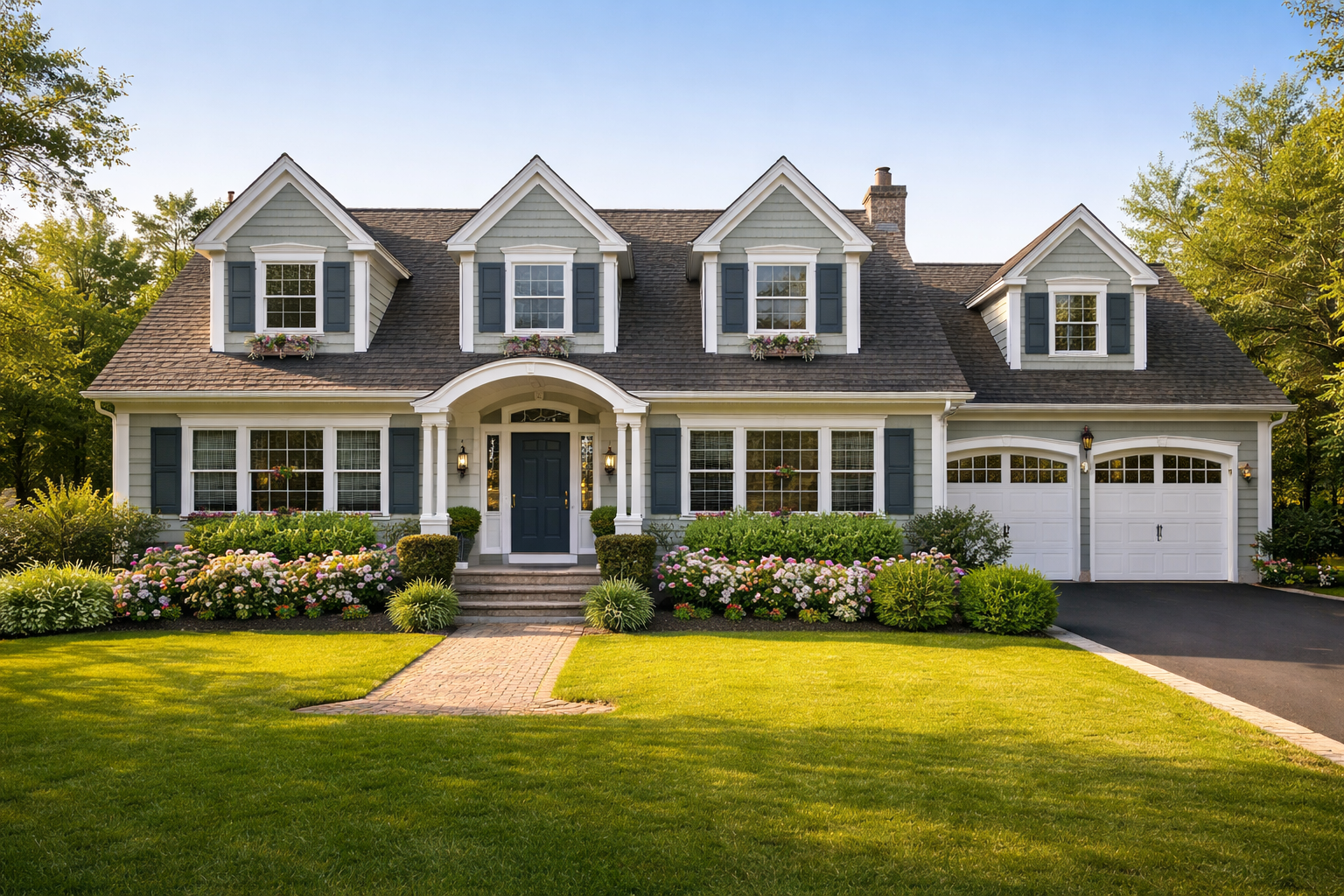
Heading toward downtown Gloucester, the housing landscape shifts. Mid-sized Colonial and Victorian-style homes populate residential streets like Maplewood Avenue and Washington Street. These homes often feature 3–4 bedrooms, ample outdoor space, and quick access to Main Street’s growing roster of restaurants, boutiques, and art galleries. This part of Gloucester has become especially appealing to young families and professionals seeking a blend of tradition and convenience without the high costs seen in more urban parts of Massachusetts.
In 2025, Gloucester’s condo market has also matured significantly. Developments along the Inner Harbor and Stacy Boulevard offer modern amenities like private balconies, underground parking, fitness centers, and proximity to the waterfront. These condos cater to a mix of retirees downsizing from single-family homes and younger buyers priced out of Boston and the North Shore suburbs. Monthly HOA fees typically cover landscaping, snow removal, and building maintenance, allowing for a more hands-off lifestyle that still offers prime coastal access.
The West Gloucester area presents an entirely different housing atmosphere. Known for its larger lots and semi-rural feel, this part of the city attracts buyers looking for space, privacy, and access to hiking trails and conservation areas. Homes here include a mix of 1960s ranch-style properties, mid-century moderns, and newer custom builds tucked into wooded lots. With zoning that supports agricultural use in some pockets, West Gloucester also appeals to hobby farmers and sustainability enthusiasts. This is where you’re likely to find properties with chicken coops, greenhouses, and extensive gardens — all just a few miles from the beach.
Affordability continues to be a concern for many would-be buyers in 2025, but Gloucester’s range of housing helps mitigate that pressure. According to MLS data, the median home price in Gloucester as of Q1 2025 is $678,000 — notably lower than Boston’s $823,000 but slightly higher than neighboring Rockport. Entry-level condos start around $380,000, while larger, move-in-ready single-family homes with water views can easily command over $1.2 million. That said, fixer-uppers and modest bungalows still exist in pockets of the city and offer potential for sweat equity or redevelopment.
Gloucester’s zoning board and city planning department have taken active steps in 2024 and 2025 to expand accessory dwelling unit (ADU) allowances. This legislative shift allows homeowners to build or renovate smaller detached dwellings for extended family or rental income. As a result, the city has seen a slight uptick in multi-generational living arrangements and short-term rental inventory — though new ordinances have placed restrictions on Airbnb-style rentals to preserve neighborhood stability.
One of the key lifestyle advantages in Gloucester is walkability. Homes near Good Harbor Beach or Stage Fort Park often boast direct access to scenic trails, community events, and the ocean — without needing to get in a car. Real estate professionals note that buyers in 2025 increasingly ask for “walk scores” during their home search, and Gloucester delivers. The downtown area, in particular, is seeing reinvestment from local developers focused on creating small mixed-use buildings that blend residential units above retail spaces, adding further convenience for residents.
For those looking at new construction, several boutique developments have emerged in the past 18 months. Projects like Harbor Point and SeaGlass Estates feature townhouse-style homes with two-car garages, energy-efficient systems, and sustainable building materials. These properties appeal to eco-conscious buyers who want modern comfort without sacrificing Gloucester’s iconic seascape views. Many of these projects were supported by state grants aimed at boosting coastal resilience and housing stock amid rising demand.
Rental options are equally varied. While year-round rentals remain competitive, Gloucester's seasonal economy means there is fluctuation in pricing and availability throughout the year. Long-term leases for 2-bedroom apartments typically fall in the $2,200–$2,800 range, depending on location and amenities. The city’s older housing stock includes multi-family homes that have been converted into spacious apartments, often with water views and vintage detailing.
There’s also a growing interest in co-living and cooperative housing models in Gloucester, particularly among artists and remote workers. Nonprofit-led initiatives and community groups are exploring ways to renovate larger Victorian homes into shared living spaces that emphasize affordability, sustainability, and collaboration. In 2025, these experiments remain niche but are gaining traction as part of the broader housing conversation.
Beyond the structures themselves, Gloucester’s lifestyle continues to be a driving factor in real estate decisions. The city has preserved its deep maritime roots while embracing innovation in the arts, tourism, and marine sciences. Residents enjoy everything from fresh-caught seafood to festivals celebrating seafaring heritage. The Cape Ann Museum continues to be a cultural touchstone, while community centers and co-working spaces have cropped up in underutilized buildings downtown.
School rankings in Gloucester have shown steady improvement, with new initiatives in STEM education and outdoor learning pushing the district forward. Combined with relatively low crime rates and an abundance of green space, this makes Gloucester an increasingly viable choice for families prioritizing quality of life without sacrificing access to the Greater Boston job market.
In sum, Gloucester’s housing variety is not just a matter of inventory — it’s a reflection of the city’s layered identity. Whether you’re drawn to a vintage cottage by the sea, a contemporary condo with harbor views, or a wooded retreat on the outskirts, Gloucester offers a wide spectrum of home styles that suit both practical needs and personal vision. As of 2025, it remains one of the few Massachusetts cities where lifestyle, affordability, and authenticity coexist so seamlessly.