
Nestled in Essex County, Georgetown, MA is quietly capturing the attention of homebuyers looking for that rare combination of walkability, safety, and small-town charm. With a population just over 9,000 in 2025 and a strong local identity rooted in community involvement and historic preservation, Georgetown presents an increasingly rare lifestyle: peaceful, tight-knit living within reach of urban convenience. What sets Georgetown apart from other North Shore towns is how naturally it blends pedestrian-friendly infrastructure with civic pride.
Georgetown’s town center has evolved over the years into a welcoming village core — one that retains the character of a bygone era while supporting modern day-to-day life. Brick sidewalks, locally owned shops, and the iconic Five Junctions building anchor the community, where it’s not uncommon to see residents walking to the post office, grabbing coffee, or chatting at the park. The town green serves as the cultural and social heart, hosting seasonal events like summer concerts, farmer’s markets, and holiday tree lightings that bring neighbors together.
The town’s compact layout and well-maintained sidewalks encourage foot traffic in a way that’s rare for semi-rural suburbs. From homes near the center, residents can easily walk to schools, the library, a local grocery store, and several eateries. In 2025, walkability has become a top priority for families and retirees alike — and Georgetown’s commitment to pedestrian infrastructure is yielding real dividends. New crosswalks, widened sidewalks, and streetscaping improvements have made routes even safer and more appealing for everyday errands or evening strolls.
Education is a key driver of interest in Georgetown’s housing market. The town’s public school system, including Penn Brook Elementary and Georgetown Middle/High School, consistently scores above average in state performance rankings. Parents appreciate the small class sizes, engaged teachers, and the tight bond between the school system and the broader community. School events draw strong attendance from residents without children, reflecting a culture that values education as a shared community asset, not just a private interest.
Safety is another hallmark of Georgetown’s appeal. With crime rates significantly below both state and national averages, the town provides peace of mind for families and seniors alike. The local police department has invested in proactive community engagement, hosting town halls, safety fairs, and bike registration programs. Neighborhood watch groups and a responsive emergency services network contribute to the town’s well-earned reputation as a secure, serene place to live. Residents regularly report feeling safe walking alone, even after dark — a rare sentiment in today’s world.
While Georgetown may not be the first town that comes to mind for Massachusetts homebuyers, its real estate market tells a compelling story. In early 2025, the median home price stands at $678,000 — up 4.7% year over year, according to MLS data. Inventory remains tight, but balanced, with a slight uptick in listings as more homeowners realize the value of their properties in a walkable, commuter-accessible town. Buyer demand is fueled by local move-ups, first-time homeowners from the North Shore, and remote workers seeking peaceful yet connected living environments.
Local amenities play a central role in Georgetown’s livability. American Legion Park, with its tennis courts, public pool, and shaded trails, is a gathering point during spring and summer months. The Parker River, which winds through town, is popular for kayaking and fishing. The community’s trail system, including the ongoing expansion of the Border to Boston Trail, links Georgetown to regional greenways, appealing to nature lovers and fitness enthusiasts alike. These recreational assets add tangible quality-of-life benefits, which buyers increasingly prioritize alongside home features.
Another draw is Georgetown’s connectivity. Although it lacks its own commuter rail stop, the town lies within 10–15 minutes of MBTA stations in Rowley, Newburyport, and Haverhill. Highway access via I-95 and Route 133 makes commuting to Boston, Andover, or even Portsmouth a viable option. This flexibility attracts professionals who want to avoid urban density without sacrificing access to jobs, healthcare, or cultural activities in surrounding cities. The town’s growing popularity is leading to renewed interest in developing micro-transit and carpool infrastructure to enhance regional access further.
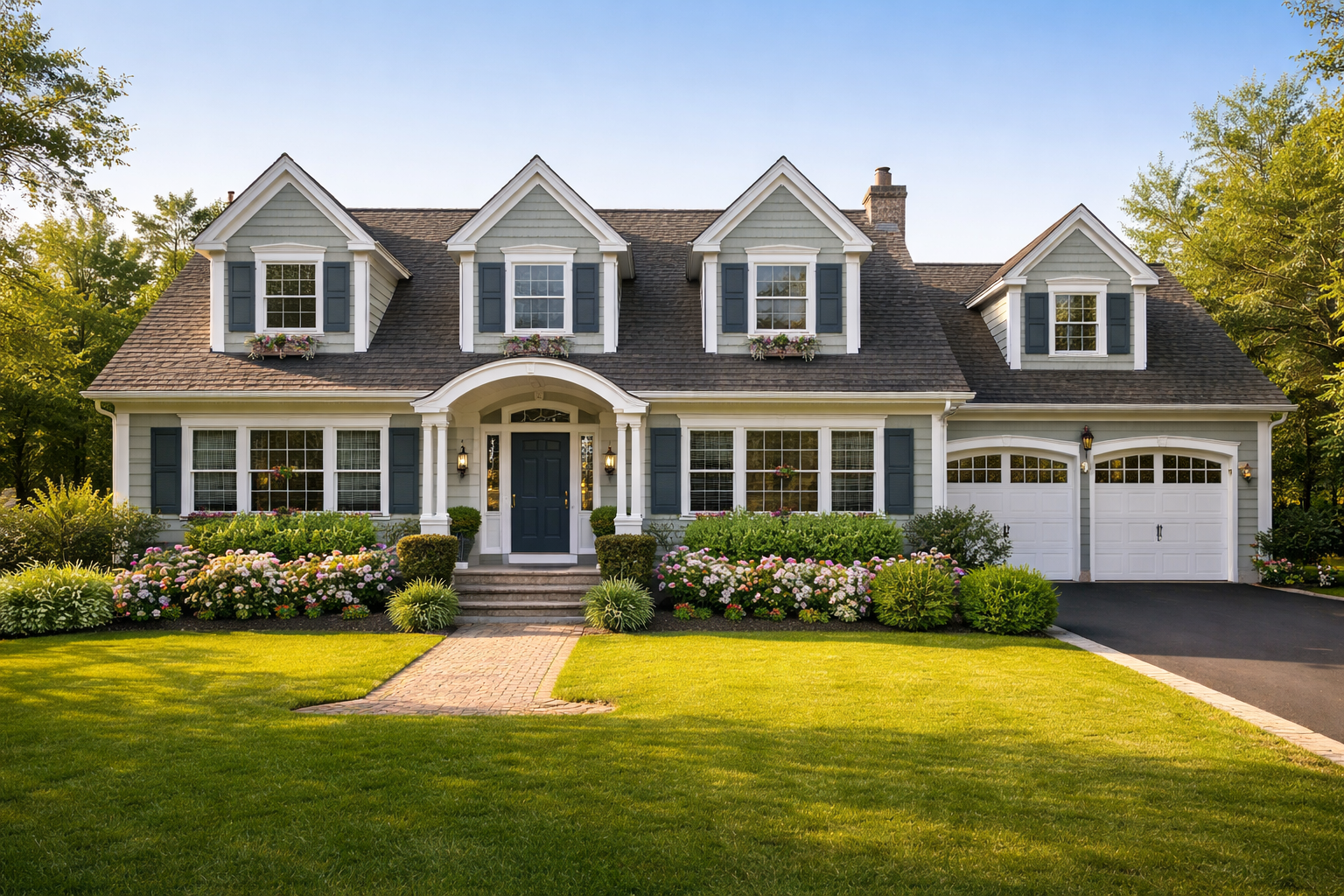
Georgetown’s housing stock reflects its colonial roots and steady evolution. Buyers can find everything from antique farmhouses and restored Victorians to mid-century ranches and modern capes. Recent years have seen a handful of thoughtfully executed new developments — small subdivisions designed to match the town’s scale and architectural vernacular. Rather than overwhelming the community, these additions have been embraced for their quality, design sensitivity, and ability to meet evolving housing needs for both younger families and downsizing retirees.
Locally owned businesses are the backbone of Georgetown’s economic identity. From breakfast joints and florists to hardware stores and family-owned law practices, the business community remains tight-knit and resilient. In 2025, several entrepreneurs have launched new ventures in wellness, home décor, and green construction, building on the town’s stable customer base and supportive local government. The Georgetown Business Association actively promotes local commerce with seasonal events and marketing campaigns, giving residents even more reasons to shop local.
Civic engagement is another Georgetown strength. Residents frequently attend town meetings, volunteer on planning boards, or contribute to conservation initiatives. The town has recently invested in better public communication, launching a revamped website and mobile app to improve transparency, meeting access, and community alerts. These tools have increased civic participation across age groups and created a sense of shared ownership over local decision-making. The town’s recent zoning updates and stormwater management plans are all products of collaborative public feedback.
One underappreciated advantage of life in Georgetown is its manageable pace. While towns to the south may offer bigger retail corridors and entertainment venues, Georgetown succeeds by doing less — and doing it well. Families gather for library story hours or Friday night football games. Seniors meet for coffee at the Senior Center or walk together through the town forest. It’s a place where people wave, dogs get named by strangers, and weekend errands include impromptu chats that last an hour. For many, this sense of everyday connection is what makes Georgetown feel like home.
In 2025, environmental stewardship has become a notable part of Georgetown’s identity. The town recently passed a ban on single-use plastic bags and expanded its composting pilot program. Solar panels now adorn several public buildings, and there’s a push for more native plant landscaping. Residents support these moves not only for ecological reasons but also to preserve the land and water features that define the area’s rural charm. These measures resonate strongly with incoming buyers, many of whom prioritize sustainability and want to live in communities that reflect those values.
Looking ahead, Georgetown’s growth is likely to remain thoughtful and measured. While nearby towns continue to densify, Georgetown’s planning board has prioritized infill development, agricultural preservation, and traffic calming over large-scale expansion. Projects like sidewalk extensions and expanded senior housing options are getting greenlit in 2025 with enthusiastic public support. Residents want growth that fits — not just numerically, but culturally and aesthetically.
In a time when many suburban markets are struggling to balance livability, affordability, and identity, Georgetown is quietly proving that it’s possible to succeed on all fronts. For buyers who crave a safe, scenic, and socially connected town, Georgetown stands out as a rare gem in Massachusetts’s real estate landscape — one with charm that’s genuine, community that’s active, and walkability that’s real.