
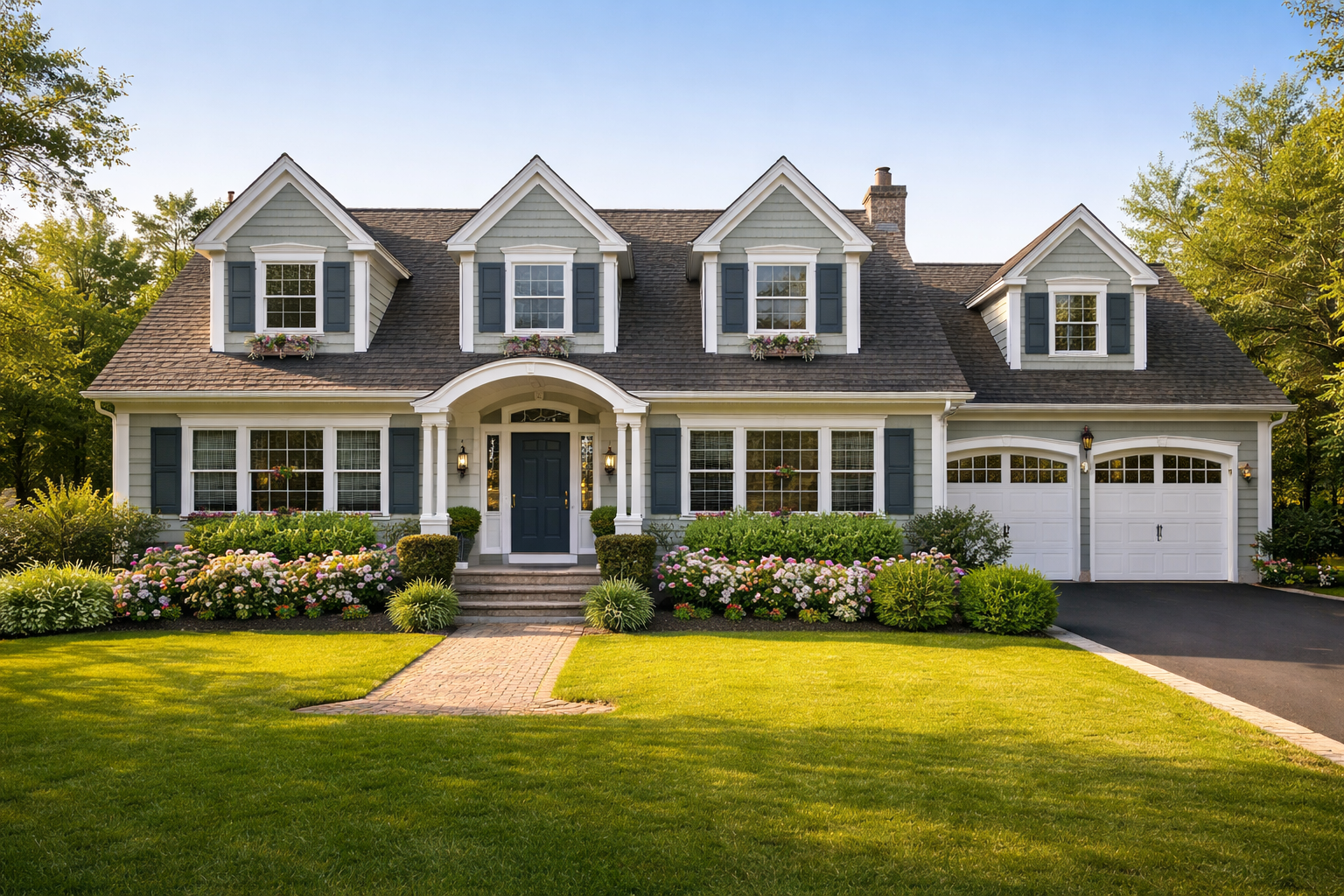
Essex, MA, a coastal town nestled in Cape Ann, has long been known for its antiques, clam shacks, and quiet marshes. But in 2025, the real estate conversation around Essex is shifting in a major way. This historic enclave — once overshadowed by more widely recognized destinations like Rockport and Manchester-by-the-Sea — is emerging as a highly sought-after location for second-home buyers across Massachusetts and beyond. With its unique combination of seclusion, character, and access to nature, Essex is carving out a niche that’s hard to replicate elsewhere on the North Shore.
Unlike larger towns that have seen waves of commercial development and seasonal congestion, Essex retains a sense of small-town calm that is increasingly hard to find. The population sits just above 3,600 residents, according to 2025 estimates, and zoning restrictions continue to limit large-scale construction, which helps preserve the town’s quiet, scenic identity. This appeals to second-home buyers who want to avoid the overcrowding of Cape Cod or the tourism overload of Newburyport while still enjoying proximity to Boston, which is just under an hour away by car.
One of the major draws for second-home buyers in 2025 is Essex’s waterfront accessibility without the commercial sprawl. The town offers unobstructed access to the Essex River, leading directly to the Atlantic via the Crane Wildlife Refuge and Hog Island. For boating enthusiasts, Essex provides a peaceful launching point with moorings that are more readily available and affordable than those in neighboring coastal towns. Local marinas and yacht clubs are low-key and community-centered, fitting the down-to-earth luxury that defines Essex’s appeal.
Home inventory in Essex has seen a noticeable shift over the last three years. According to MLS data, 28% of homes sold in Essex between January and April 2025 were purchased as second homes, up from just 14% in the same period in 2020. These buyers often seek out charming older colonials, cottages with preserved woodwork, or renovated bungalows on tree-lined lanes. Many listings now promote flexible layouts that can accommodate short-term stays, visiting guests, or seasonal rentals — a reflection of changing buyer lifestyles and work-from-home flexibility.
Essex's appeal also lies in its balance of rural character and convenience. Despite being tucked away from major highways, the town is less than 15 minutes from Route 128, which connects residents to Boston’s northern suburbs and Logan Airport. For second-home owners who spend part of their time working remotely, this location provides both escape and connectivity. The rollout of fiber-optic internet in 2024 has further enhanced Essex’s profile for remote professionals seeking a scenic weekend base that can double as a weekday retreat.
Essex’s cultural and culinary offerings are another pull factor for discerning second-home buyers. The town’s restaurants — including the iconic Woodman’s and more contemporary venues like CK Pearl — attract diners from across the North Shore. Locally sourced seafood, farm-to-table menus, and riverside patios make Essex a seasonal destination that never feels overcrowded. Art galleries, antique shops, and small boutiques round out the experience, creating a vibrant-yet-sleepy charm that is tailor-made for part-time residents.
Nature lovers find endless appeal in Essex’s protected lands. The town borders multiple conservation areas, including the 500-acre Cox Reservation and nearby trails in Manchester-Essex Woods. Kayaking through tidal estuaries at dawn, birdwatching in spring, and fall foliage hikes provide seasonal rhythms that second-home buyers increasingly value as antidotes to their urban routines. The Trustees of Reservations and Essex County Greenbelt Association have added new signage and accessibility features in 2025 to further enhance these natural assets.
While Essex doesn’t have its own public beach, residents enjoy close proximity to Crane Beach, Singing Beach, and the quieter stretches of Wingaersheek just a short drive away. The trade-off — no summer parking crowds, less foot traffic, and greater privacy — makes Essex more appealing to buyers prioritizing tranquility and long-term comfort. And with private beach access available through associations in some neighborhoods, homeowners can still enjoy sand and sea without sacrificing peace of mind.
Real estate agents in Essex report a growing number of inquiries from buyers in the Greater Boston area and even as far as Connecticut and New York. What distinguishes Essex from flashier markets is its relatively stable pricing and long-time resident base. The average home price in Essex in Q1 2025 is $812,000 — up 5.2% from 2024 — but still considerably lower than neighboring Manchester-by-the-Sea, which averages over $1.2 million. This pricing differential, paired with Essex’s aesthetic appeal, is making it a magnet for value-conscious buyers looking to plant seasonal roots.
Architecturally, Essex offers a mix of styles that attract buyers looking for unique, character-filled properties. From 18th-century farmhouses with fieldstone foundations to 1960s mid-century ranches with modern upgrades, the housing stock reflects generations of coastal living. Many properties retain original hardwood floors, wood-burning fireplaces, and hand-built cabinetry. Renovation-friendly zoning has allowed newer homeowners to modernize these spaces while preserving the historic footprint — a delicate balance that Essex seems to manage gracefully.
Community engagement remains one of Essex’s greatest assets. Second-home buyers often cite the welcoming nature of local institutions such as the Essex Shipbuilding Museum, First Congregational Church, and the town library. Seasonal festivals like Essex ClamFest and Fourth of July boat parades allow new residents to integrate easily, while year-round programming — including outdoor concerts and local makers’ markets — foster a strong sense of continuity across generations.
One key aspect of Essex’s second-home popularity is the increasing flexibility of ownership. Many part-time residents now rent out their homes when not in use — aided by improved property management services and town-permitted short-term rental allowances. While the town has placed reasonable limits on Airbnb-style operations to protect residential character, owners of second homes can still derive income from seasonal guests without excessive bureaucracy or community backlash.
Healthcare access is another subtle factor shaping buyer interest in Essex. While the town itself does not host major medical centers, it lies within 20 minutes of Beverly Hospital and Addison Gilbert Hospital in Gloucester. For older buyers or those managing health conditions, this access to nearby care, combined with a serene residential environment, creates peace of mind. And with telehealth now integrated into most major care networks, many second-home buyers feel no disruption in their day-to-day needs.
As the climate and economy shift, buyers are becoming more thoughtful about the sustainability of their investments. Essex is meeting this moment with practical steps. In 2023, the town passed incentives for green home retrofitting, and by early 2025, over 60 homes have installed solar panels. Several neighborhoods have adopted native-plant landscaping initiatives, and the town’s municipal buildings now meet LEED Gold standards. These developments align with the values of environmentally conscious buyers who are also concerned about rising utility costs and long-term stewardship.
In terms of infrastructure, Essex has committed to maintaining its rural charm while improving livability. Road repaving projects in 2024 targeted major arteries like Southern Avenue and John Wise Avenue, while the town is currently upgrading its stormwater management systems to reduce flooding risk from seasonal rains. These measures have reassured second-home buyers concerned with long-term viability and property upkeep, particularly during the off-season months when homes may be vacant.
Buyers in 2025 are also drawn to Essex’s low-key social fabric. There are no mega-resorts, no downtown bars blaring music past midnight — and that’s exactly what many buyers are seeking. Weekend evenings often involve dinner at a local oyster bar or a community bonfire along the marsh. This simplicity is increasingly seen not as a lack of options, but as a rare and precious lifestyle contrast to city noise and stimulation. Essex’s quietude, in other words, has become its greatest luxury offering.
Looking ahead, local planners are focused on keeping Essex livable and welcoming. The 2025 Master Plan emphasizes managed growth, conservation protection, and increasing year-round vibrancy without losing the seasonal charm that second-home buyers love. Projects in discussion include expanded sidewalk networks, small-footprint elder housing, and investments in pedestrian-friendly village centers. These initiatives are expected to further increase Essex’s long-term desirability as a weekend, retirement, and remote work destination.
In summary, Essex, MA is no longer just a coastal curiosity — it’s become a serious contender in the second-home market. With thoughtful town governance, unmatched natural beauty, a strong sense of place, and growing interest from regional buyers, Essex offers something rare in 2025: a tranquil retreat with lasting value. For those seeking a second home that offers more than just real estate — one that delivers renewal, roots, and return on investment — Essex deserves serious consideration.