
Dedham, Massachusetts, situated just 10 miles southwest of downtown Boston, is emerging as a quietly strategic choice for tech commuters in 2025. Known for its blend of suburban tranquility and accessibility, Dedham offers a unique positioning that has grown increasingly attractive to professionals working in Boston’s booming tech sector. With commute patterns shifting and hybrid schedules becoming the norm, Dedham’s combination of convenience, affordability, and livability is bringing new attention to this historic Norfolk County town.
At the heart of Dedham’s appeal is its direct access to multiple transit options. The town is served by the MBTA's Needham Line, with Dedham Corporate Center and Endicott stations providing service to Boston’s South Station in under 30 minutes. In addition, major highways like I-95 and Route 1 crisscross the town, allowing residents with cars to reach job hubs in Cambridge, Waltham, and Seaport District within reasonable timeframes—even during peak hours. The availability of multiple commuting methods has become a defining factor for remote-flex workers looking for flexibility without sacrificing reliability.
While other towns closer to the city are seeing significant affordability challenges, Dedham has managed to hold onto a relatively accessible housing profile. As of Q2 2025, the median home price in Dedham stands at approximately $689,000—a 5.2% increase year-over-year but still markedly more affordable than Newton, Brookline, or even parts of West Roxbury. This price point is making Dedham especially attractive to tech professionals in their early career stages or dual-income households searching for attainable homeownership without compromising on commute time.
Rental trends in Dedham further reinforce its strategic value. Two-bedroom apartments now average around $2,650 per month, an 8% increase since 2024. While rents are climbing, they remain more manageable than comparable units in downtown Boston or Cambridge, where monthly costs easily surpass $3,500. Dedham’s rental stock—ranging from townhomes to professionally managed complexes—has seen increased investment, with several new mid-rise developments along Washington Street and the former industrial corridor near East Street.
One key reason Dedham remains viable for many is its proactive approach to infrastructure and planning. The town’s leadership passed a mobility and housing equity plan in late 2024, which emphasized mixed-use zoning, walkability, and new traffic solutions near commercial nodes. Already, this has led to safer intersections, better bike lanes, and the introduction of electric shuttle services connecting neighborhoods to the commuter rail stations and the popular Legacy Place shopping district. These localized upgrades help tech commuters who prioritize ease and sustainability.
Beyond logistics, Dedham offers a high quality of life rooted in education, community, and culture. Public schools continue to perform above the state average, with Dedham High School undergoing a $22 million facilities upgrade finalized in spring 2025. The town library system has embraced a technology-forward mission, adding coworking nooks, conference rooms with fiber internet, and career development workshops aimed at remote professionals and adult learners. For families, this forward momentum is key in deciding to plant roots here long term.
Culturally, Dedham retains a small-town feel while offering enriching amenities. The Dedham Historical Society hosts regular walking tours and lectures that appeal to long-time residents and newcomers alike. Parks and conservation areas, such as Wilson Mountain Reservation and the Charles River loop trails, offer ample space for outdoor activities—a non-negotiable amenity for the health-conscious tech demographic. Additionally, the dining scene in Dedham Square has expanded, featuring a blend of upscale restaurants, craft cafes, and international cuisine that caters to a diverse, modern workforce.
While Dedham is not traditionally considered a startup hub, it benefits from its adjacency to innovation without the saturation and cost pressures of Boston’s urban core. The rise of remote work has allowed small tech teams and solopreneurs to launch operations from anywhere, and Dedham’s commercial spaces are rising to the occasion. The Dedham Innovation District—a branding initiative started in 2023—has brought flexible lease terms, fiber-backed coworking suites, and startup-friendly business incentives to key parcels around Route 1 and Rustcraft Road.
Dedham’s fiscal policies are another subtle but significant draw. The town has maintained a stable property tax rate for the past four years, and the FY2025 budget emphasized capital investments without relying on overrides. This financial predictability matters to homeowners and investors alike. In contrast to communities grappling with school funding crises or stalled infrastructure repairs, Dedham is demonstrating that sound fiscal stewardship and strategic growth can coexist. For those in the tech sector seeking long-term residential investments, that balance matters.
Looking ahead, Dedham’s Planning Board recently approved a major redevelopment of the old Showcase Cinema site into a mixed-use complex featuring 200 residential units, 40% of which are designated affordable. This effort, combined with the upcoming expansion of green tech incubators near Providence Highway, suggests that Dedham is not content to simply ride the tech wave—it’s looking to shape it. The town's alignment of housing, transportation, and innovation priorities positions it as a genuine alternative to more saturated tech suburbs.
What sets Dedham apart from other commuter towns is its intuitive alignment with shifting generational preferences. Millennials and Gen Z professionals are placing greater value on flexibility, community engagement, and eco-conscious planning. Dedham’s local government has responded with targeted initiatives, such as green building incentives and expanded community garden spaces, which add authenticity to its long-term sustainability pitch. Developers working in Dedham are also increasingly submitting proposals with community-led design elements and carbon-neutral construction goals in mind.
Healthcare access and wellness infrastructure add further value to Dedham’s proposition. The town benefits from proximity to major healthcare providers including Beth Israel Deaconess Hospital–Needham and Brigham and Women’s Faulkner Hospital, both under 20 minutes away. Meanwhile, smaller wellness businesses—chiropractic offices, physical therapy studios, and boutique fitness centers—are thriving along Route 1 and the Dedham Square corridor. These amenities serve tech workers who prioritize balance and preventative care as part of their lifestyle calculus.
The emergence of hybrid work culture has also allowed Dedham to reinvent daytime life in ways that benefit both residents and local businesses. Unlike towns that empty out by 8:30 AM, Dedham’s mid-morning coffee shops, lunch spots, and parks remain lively throughout the day. Legacy Place, once viewed primarily as a weekend retail destination, now plays host to remote workers using its lounges, rooftop gardens, and public Wi-Fi to power through the workday between meetings. This has shifted spending habits and supported a new generation of weekday-focused retail and dining options.
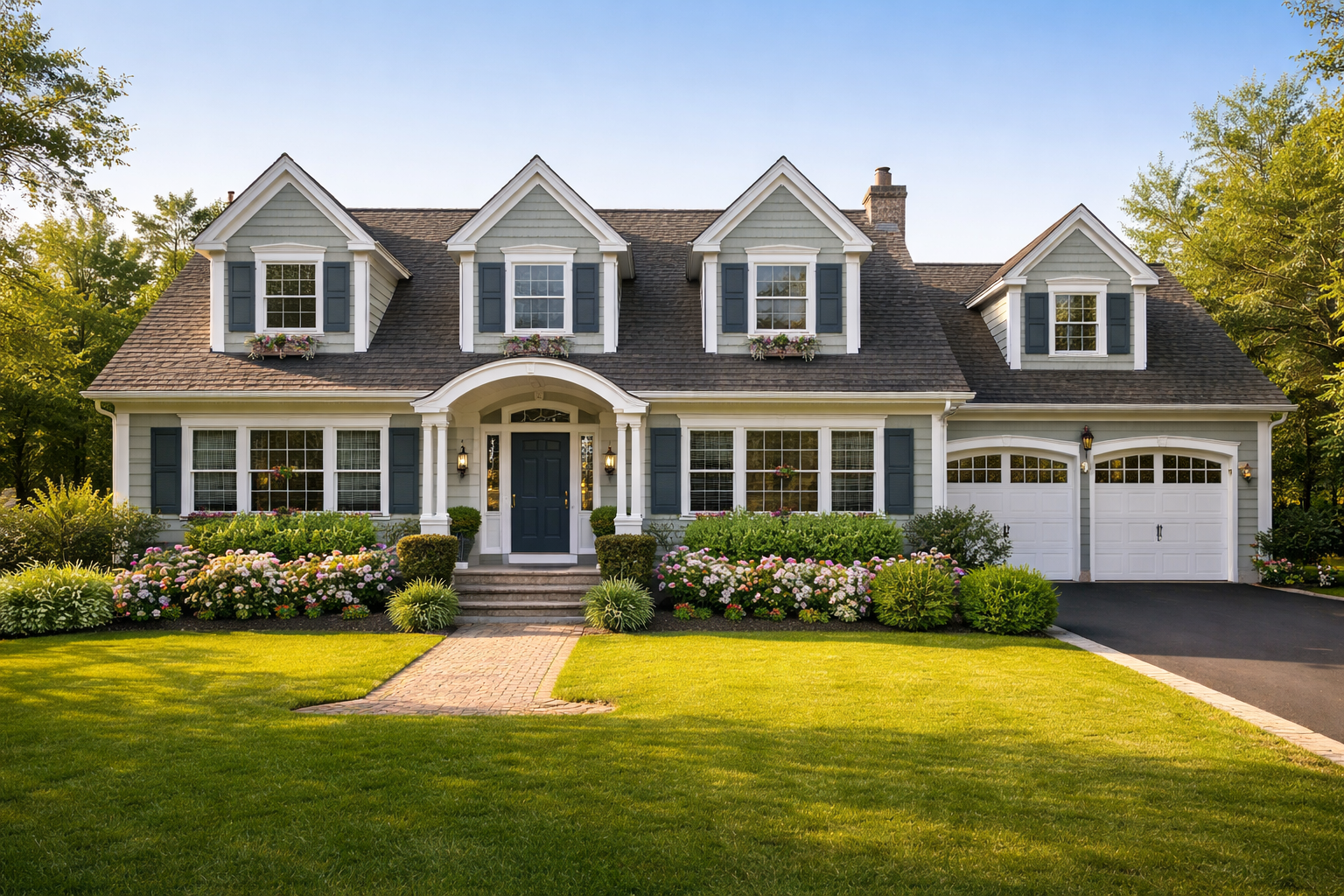
Dedham’s architectural and historical character also deserves mention, especially as remote work enables more buyers to consider lifestyle elements. Tree-lined streets with a mix of Colonials, Capes, and newer townhouses give the town a charm that more homogenized developments lack. The preservation of Dedham Village’s early American layout—cobblestone alleys, gas lantern-style street lights, and independent bookshops—adds character that appeals to buyers who don’t just want a house, but a town with texture and identity.
For investors and homebuyers alike, Dedham’s consistent ranking in regional livability studies serves as a data-backed vote of confidence. In the latest Metro Boston Livability Index published in April 2025, Dedham scored in the top 15% of all Eastern Massachusetts towns for access to public services, cost-to-income ratio, and transportation flexibility. This rating placed it ahead of more hyped locales like Arlington and Somerville when it came to holistic affordability and civic stability. Even for skeptics, the numbers tell a story worth watching.