
Canton, MA continues to gain momentum as one of the most strategically located towns in Greater Boston, with its accessibility playing a direct role in its strengthening housing market. In 2025, as infrastructure improvements and commuter preferences shift post-pandemic, Canton’s geographic advantages are translating into higher property values, rising demand, and a new wave of buyer interest from across the region.
Situated just 15 miles south of Boston, Canton offers direct access to several key transportation routes, including Interstate 95, Route 128, and Route 24. These roadways link residents to Boston’s business core, Cambridge’s tech hubs, and Providence’s growing healthcare sector. This tri-directional connectivity is rare among suburbs and is proving particularly attractive to dual-income households that commute in different directions.
The Massachusetts Bay Transportation Authority (MBTA) commuter rail lines further amplify Canton’s location appeal. The town is served by two stations — Canton Center and Canton Junction — which provide direct service to South Station and Back Bay. In 2025, updates to MBTA scheduling and expanded evening service have made train commuting even more feasible, reducing wait times and improving regional access. For those working hybrid schedules or occasionally commuting to the office, Canton offers a balance of efficiency and comfort.
Recent data from the Massachusetts Association of Realtors shows that Canton’s median single-family home price rose 9.2% year-over-year, outpacing much of Norfolk County. Real estate agents attribute this in part to buyer migration from higher-priced areas like Brookline, Newton, and parts of Boston proper. Canton offers comparable school quality, public amenities, and transportation access — at a significantly lower price per square foot. It’s a formula that’s attracting first-time buyers and move-up purchasers alike.
One of the town’s most appealing attributes is its ability to deliver a suburban lifestyle without the sacrifice of time. Commute times from Canton to downtown Boston average just 25 minutes by train and 35–40 minutes by car during peak hours. This accessibility allows residents to enjoy larger homes and yards, public parks, and walkable neighborhoods while staying tightly connected to major employment zones. In an era where flexibility and space matter more than ever, this is a key driver of buyer interest.
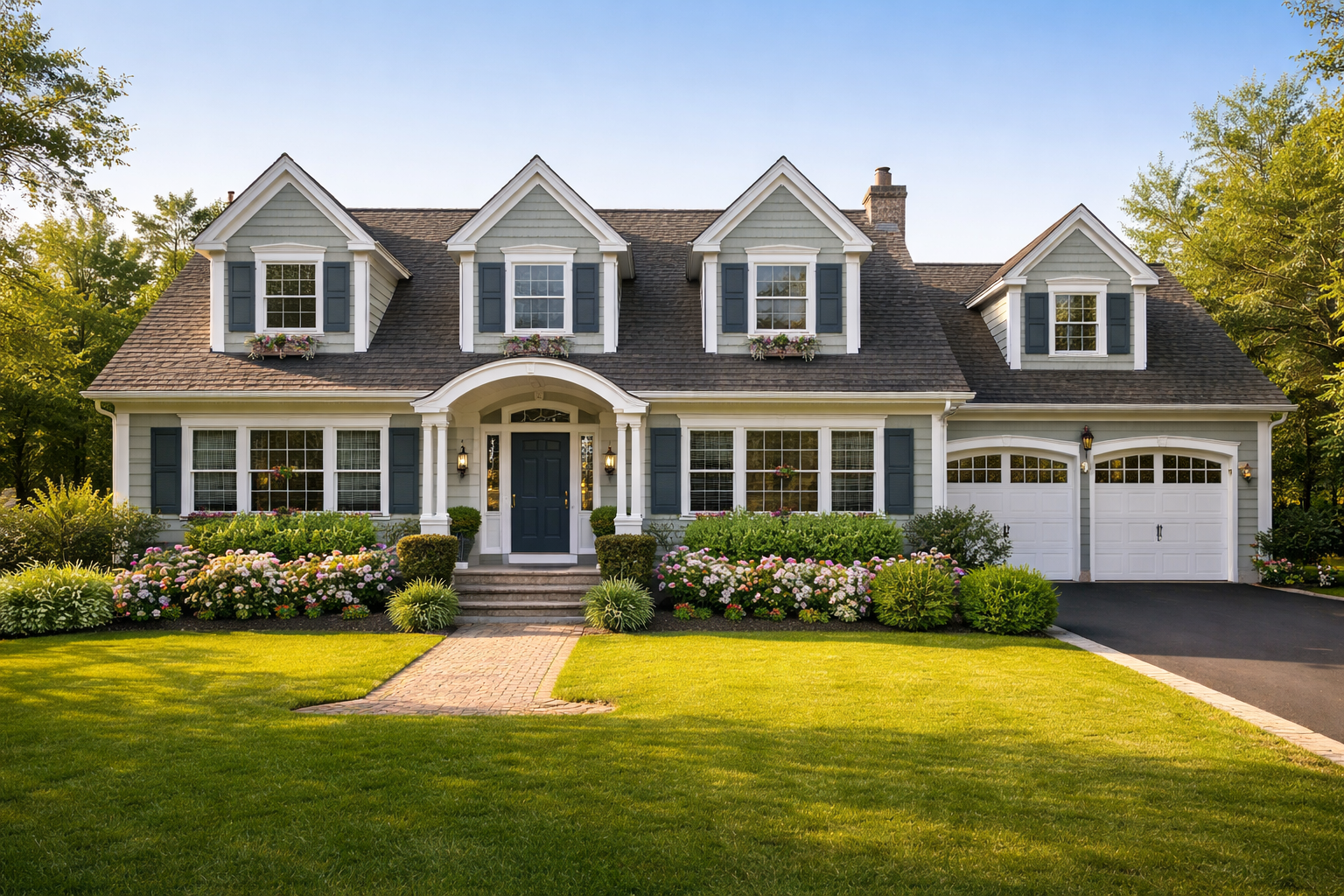
Housing variety is another factor enhancing the market. Canton’s inventory ranges from mid-century ranches to modern colonials and luxury condo developments. New construction in neighborhoods like Canton Reserve and the Revere Heritage Site has introduced modern floor plans, energy-efficient systems, and flexible live-work spaces that appeal to today’s buyers. For renters turned owners, these properties offer long-term stability and the chance to build equity while benefiting from the town’s upward price trends.
The town’s commercial infrastructure also adds to its desirability. Canton’s proximity to University Station in Westwood, Legacy Place in Dedham, and the Route 1 corridor offers an extended retail, dining, and entertainment ecosystem. Within town borders, the presence of locally owned shops, new mixed-use developments, and expanded grocery options has created an increasingly self-contained community — one where residents don’t need to leave Canton to meet their daily needs.
Remote work has reshaped how buyers evaluate “location,” and Canton is benefiting accordingly. While walkability to transit and local business districts still matters, homebuyers now prioritize access to major roads, high-speed internet, home office potential, and outdoor space. Canton delivers on all counts. The majority of homes offer private yards, multiple bedrooms, and enough square footage to support evolving household needs. The town has also invested in broadband infrastructure, ensuring that digital professionals remain productive and connected.
School quality plays a reinforcing role in the housing market. Canton’s public schools continue to perform above state averages in academic metrics and are increasingly known for their STEM programs, extracurricular offerings, and college preparatory resources. In particular, Canton High School and Blue Hills Regional Technical School are cited frequently in relocation surveys as key decision points for families. Good schools near major highways and transit lines are a rare combination — and buyers know it.
Canton’s local government has also leaned into the momentum. By approving strategic zoning overlays near the train stations and encouraging transit-oriented development, the town has invited modest population growth without compromising its suburban feel. These projects, coupled with upgrades to sidewalks, lighting, and stormwater systems, are preparing Canton to handle long-term demand. These public investments aren’t just cosmetic — they translate into real equity for homeowners who see their neighborhoods improve over time.
For investors and developers, Canton’s location is equally compelling. With predictable commuter rail access, adjacent regional markets, and land still available for smart infill, the town offers a combination of growth potential and logistical convenience. This has led to a slow but steady influx of small-scale developers focused on high-quality townhome clusters, green construction practices, and limited retail anchors — the kind of measured expansion that bolsters long-term property values.
Looking ahead, most market indicators point to continued strength. Inventory remains tight, interest in Canton is high, and planned improvements to Route 138 and area schools will only increase the town’s competitive edge. As more buyers discover the benefits of living in a well-connected yet peaceful setting, demand is expected to stay well ahead of supply — supporting stable appreciation rates without veering into unsustainable spikes.
Canton’s strategic location isn’t just a feature on a map — it’s a tangible economic advantage that directly impacts housing. Every commuter option, zoning adjustment, and school rating adds to a narrative that buyers, sellers, and investors are clearly responding to in 2025. For those looking for a place that balances today’s needs with tomorrow’s potential, Canton’s positioning continues to set it apart in the Greater Boston real estate landscape.
Another contributor to Canton’s rising profile is its coordinated approach to residential development. The town has struck a balance between growth and preservation by encouraging new construction on underutilized lots while maintaining protections for historical properties and green space. This dual strategy ensures that Canton can accommodate newcomers without displacing its long-time residents or altering the fabric of established neighborhoods. The resulting sense of stability reinforces community trust — an intangible, but powerful, force in real estate demand.
Canton’s access to major healthcare institutions has also played a growing role in buyer decisions. With Beth Israel Deaconess–Milton, Norwood Hospital’s reconstruction, and major medical employers along the Route 128 corridor, healthcare professionals are increasingly targeting Canton as a midpoint between affordability and convenience. Several local practices and wellness centers have opened satellite locations in town, further anchoring health infrastructure close to home and supporting quality of life for residents of all ages.
From an economic standpoint, Canton’s commercial tax base has helped the town reinvest in services and amenities without overburdening homeowners. Commercial zones near Route 138 and the Royall Street business park continue to thrive, hosting both legacy employers and a growing number of tech startups. These businesses contribute to stable municipal revenue and help fund improvements in schools, roads, and recreational facilities — all of which feed back into the residential market by making the town more attractive and livable.
The town’s emphasis on environmental resilience has also become a selling point. As climate considerations influence real estate decisions, Canton has taken a proactive stance. Flood mitigation projects near the East Branch of the Neponset River, tree planting initiatives, and energy-efficiency incentives have positioned the town as a model for sustainable suburban growth. These initiatives appeal to today’s eco-conscious buyers and help preserve property values in the face of changing environmental pressures.
Finally, Canton’s cultural richness enhances its livability in ways that pure numbers can’t fully capture. Heritage events at the Paul Revere Heritage Site, Canton’s Fourth of July celebration, and local arts programming bring people together and foster a sense of place. Community cohesion and local pride don’t show up in MLS data, but they matter deeply to prospective buyers — especially those leaving more transient urban areas in search of deeper community ties.