
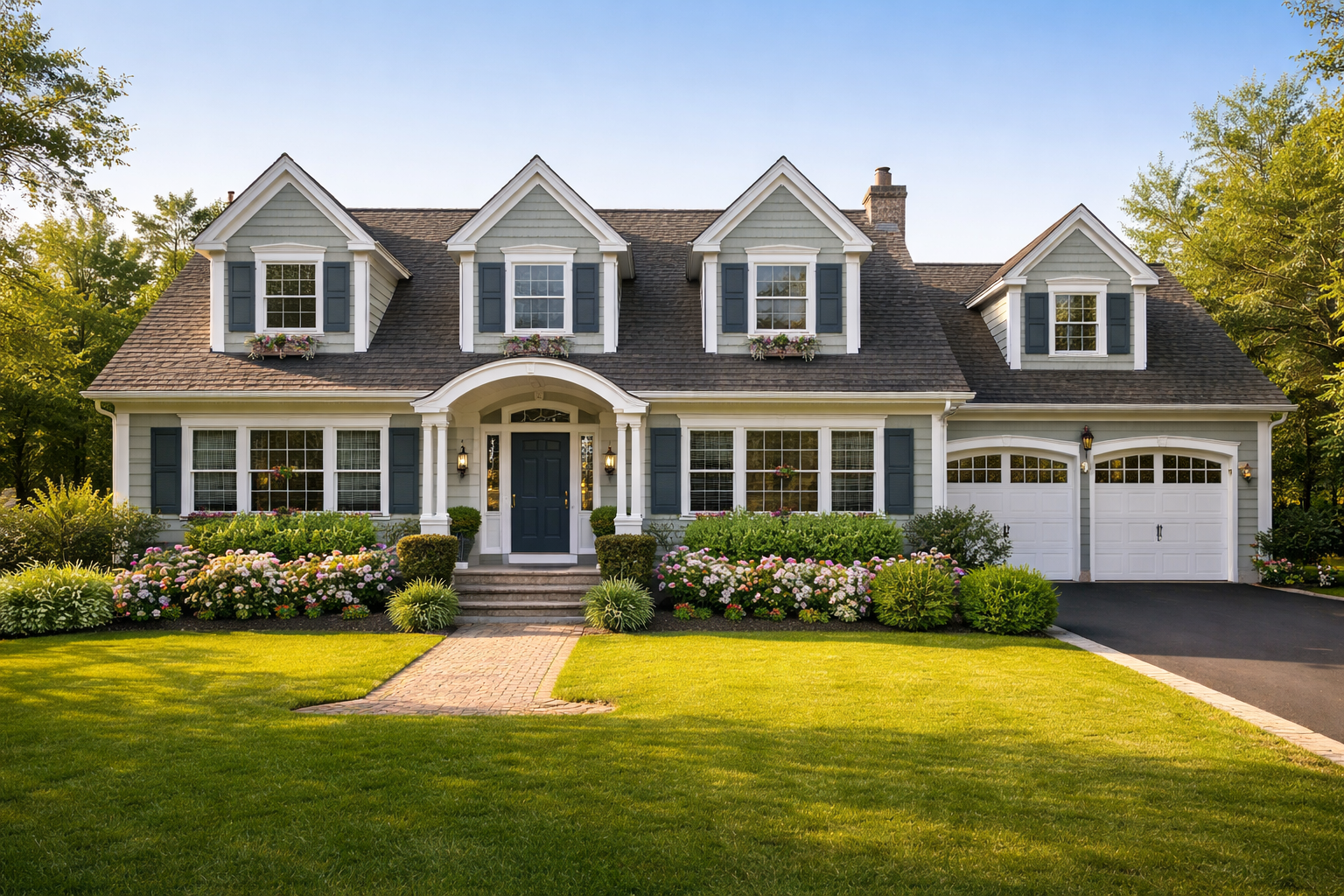
Brighton, MA, a historically rich neighborhood nestled within the boundaries of Boston, is becoming a top destination for young homebuyers seeking a combination of dynamic accessibility and peaceful living. In 2025, the area’s mix of transit-friendly infrastructure, community-driven culture, and calming green spaces is resonating strongly with a generation prioritizing lifestyle, wellness, and proximity to opportunity.
Accessibility begins with transportation, and Brighton delivers. The MBTA Green Line’s B branch winds directly through the neighborhood, with stations such as Washington Street, Warren Street, and Allston Street providing consistent and affordable access to downtown Boston. For young professionals working in the Longwood Medical Area, Back Bay, or the Financial District, commute times remain competitive, especially given Boston’s ongoing investment in transit modernization. Bluebikes stations and improved pedestrian infrastructure further complement the neighborhood’s reputation as a commuter-friendly zone.
Beyond the T, Brighton offers walkable main streets and bike-friendly routes that make everyday errands and weekend outings effortless. Brighton Center and Oak Square buzz with local bakeries, boutiques, and co-working spaces that reflect the tastes and habits of younger residents. Grocery stores, coffee shops, and pharmacies are within strolling distance for most, reducing the need for a car and reinforcing a slower, more sustainable pace of urban life.
One major draw in 2025 is Brighton’s comparatively attainable housing market. While Boston’s overall real estate landscape remains competitive, Brighton offers a wider variety of entry points for young buyers. Converted triple-deckers, renovated brownstones, and modern condo developments populate the neighborhood’s core, many priced under $750,000 — significantly lower than average listings in nearby Brookline or Cambridge. The diversity in inventory supports both first-time buyers and those moving up from rentals or smaller shared spaces.
Crucially, Brighton offers the tranquility younger homeowners are seeking. Chandler Pond, the Charles River Reservation, and Rogers Park are standout examples of the area’s commitment to public green space. These spots offer not only recreation but a retreat — ideal for dog walks, weekend jogs, or quiet evenings by the water. As cities continue to densify, such natural respites are increasingly rare and highly valued by today’s more wellness-conscious buyers.
The area’s cultural profile is another win for residents looking for calm within reach. Proximity to institutions like Boston College ensures access to lectures, performances, and public events. The neighborhood’s demographic has shifted toward more permanent residents, and in response, Brighton’s cultural calendar has grown — local art walks, food truck festivals, and neighborhood markets bring neighbors together while maintaining a laid-back feel that never feels overcrowded.
Housing stock in Brighton is also well-suited for the remote work era. Many of the older homes feature spare rooms, enclosed porches, or converted basements that serve as ideal home offices. For professionals balancing hybrid schedules, this flexibility is a must. Buyers in 2025 are prioritizing space not only for living but for working, and Brighton delivers naturally without the premium pricing seen in newer developments elsewhere.
Safety and community are paramount for younger buyers starting families or planting roots. Brighton continues to benefit from strong public safety metrics. Local precinct reports from early 2025 show a decline in property-related crime and stable incident response times. This sense of security is reinforced by a visibly engaged community — neighbors participate in cleanups, local forums, and cultural programming with a shared interest in maintaining a welcoming atmosphere.
Affordability also extends into lifestyle costs. Unlike trendier enclaves with inflated price tags on dining and recreation, Brighton offers a diverse mix of options at accessible prices. A morning cappuccino, a yoga class, or a casual dinner out doesn’t come with the premium seen in neighborhoods like Seaport or South End. This affordability has real consequences for younger homeowners trying to build equity without sacrificing enjoyment.
And Brighton is not resting on its strengths. The neighborhood has embraced forward-thinking zoning adjustments, transit improvements, and sustainable design standards. Upcoming projects include expanded EV charging stations, adaptive reuse of industrial spaces for arts and innovation, and more green roofing initiatives. These efforts align with the environmental and ethical concerns that drive many Millennial and Gen Z purchase decisions.
In Brighton, it’s not about compromise — it’s about synthesis. Young buyers no longer have to choose between city access and a peaceful lifestyle. With its robust transit links, abundant parks, culturally rich environment, and realistic home prices, Brighton represents one of the few urban neighborhoods that offers both ambition and ease. For those stepping into homeownership while shaping careers, relationships, and routines, Brighton offers the ideal launchpad for a well-rounded life.
Public education is another area where Brighton stands out in 2025. The local schools, part of the Boston Public School system, have shown consistent improvement in state performance metrics. Brighton High School, in particular, has benefited from STEM-focused curriculum enhancements and new digital resources made available through city funding initiatives. For young buyers planning to stay long-term and raise children, these educational upgrades are a key consideration, making Brighton more than a transition neighborhood — it's a place to settle.
The neighborhood’s dining scene further illustrates its appeal to young homeowners. From family-run Ethiopian and Korean restaurants to third-wave coffee shops and plant-based bistros, the culinary landscape is as diverse as it is approachable. This variety gives Brighton its flavor—both literally and culturally—and allows residents to explore without needing to travel far. Whether dining out solo or hosting friends for a weekend brunch, locals enjoy a mix of sophistication and comfort unique to the neighborhood.
Local health services have also expanded to meet the needs of a growing residential base. In addition to traditional providers, Brighton now includes integrated care practices that focus on mental health, nutrition, and preventative care. These services often work in tandem with local community centers, providing accessible wellness for all ages. It’s part of a broader shift among young buyers who prioritize access to care as a core part of where they choose to live—not just an amenity, but a requirement for long-term happiness and health.
Brighton’s adaptability is one of its greatest strengths. In response to broader economic shifts, many local residents have embraced side hustles and micro-entrepreneurship. The neighborhood has responded by allowing pop-up spaces in underused lots, supporting weekend markets, and reducing red tape for small businesses. For younger homeowners with creative ambitions or remote income streams, this is an invaluable community feature that fosters both economic resilience and social cohesion.
Perhaps most importantly, Brighton has retained its authenticity. It is not a neighborhood built for a single demographic or era. Its layered identity—older brick homes, newly built green spaces, historic churches alongside biotech offices—offers a lived-in, multigenerational richness that resonates with buyers seeking more than just an investment. They want character. They want roots. Brighton offers both, without pretense.
As the broader Boston metro area continues to grapple with affordability and congestion, Brighton stands out as a community that has managed its growth with intentionality. It is a place where young people can start careers, relationships, and families without feeling pushed to the margins. This is increasingly rare in 2025, where major urban centers often exclude new buyers either financially or culturally. Brighton, by contrast, has built itself into a neighborhood of welcome—one that keeps pace with the world while holding on to the things that make community meaningful.
Events like the Brighton Main Streets Fall Festival and local outdoor movie nights are more than entertainment; they are rituals of place-building. They provide essential spaces for interaction, creativity, and celebration. These gatherings are where neighbors become friends and where a loosely defined community becomes something cohesive. For young buyers looking not just for a condo but for a community, Brighton extends a sincere invitation to belong.