
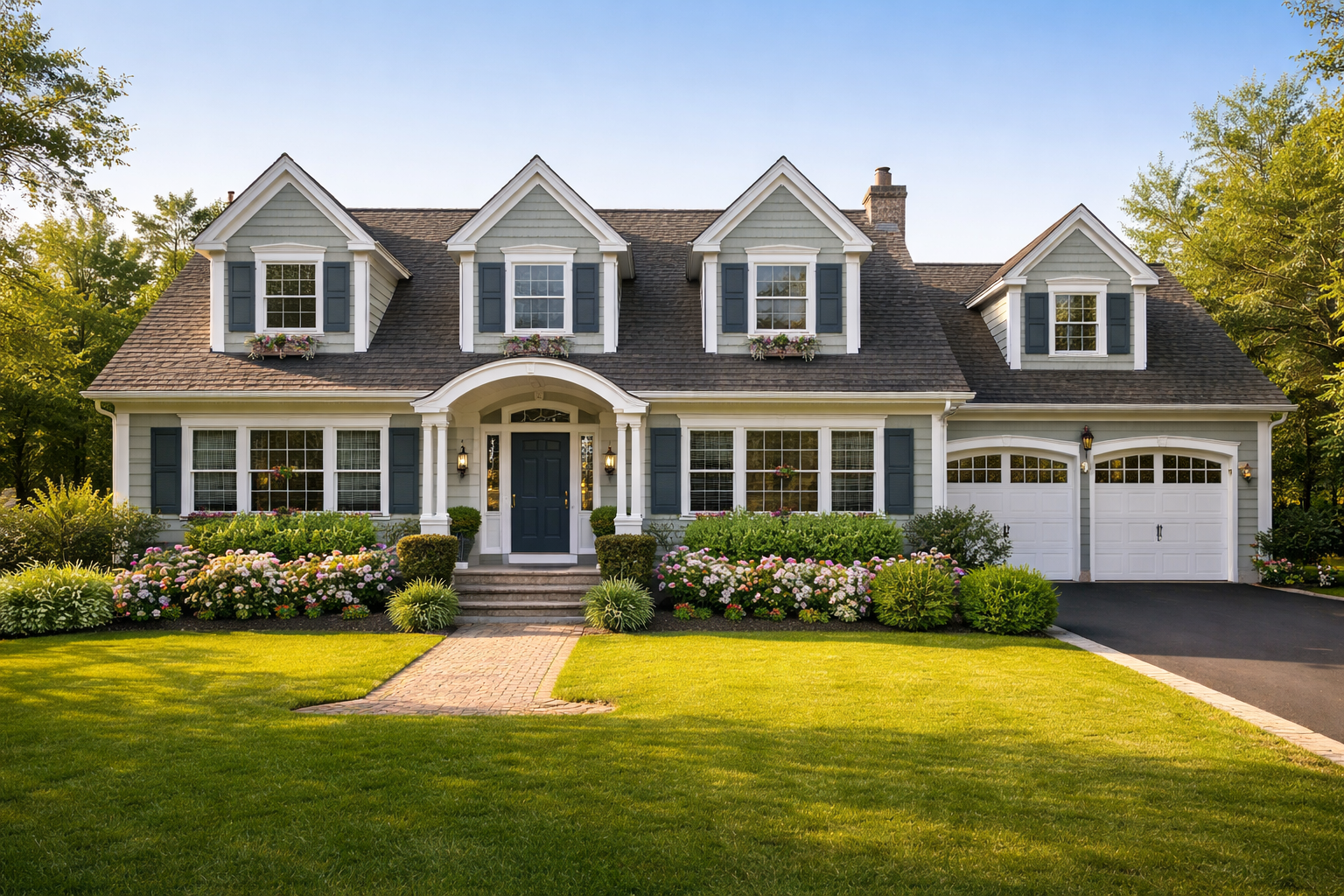
Bedford, Massachusetts, is widely recognized in 2025 as a commuter’s haven that balances accessibility with a preserved small-town feel. Located just 15 miles northwest of Boston, Bedford sits in Middlesex County and offers a unique mix of colonial charm, excellent schools, efficient transport, and smart zoning that keeps it both livable and attractive to buyers and investors alike.
Over the last two years, Bedford has seen a measured increase in property values, driven by a combination of infrastructure investments and a regional demand for towns that support hybrid and flexible work lifestyles. Homebuyers are no longer looking just for the shortest drive to the city; they’re now prioritizing communities that provide balance. Bedford hits this mark with a high walkability index, new biking infrastructure, and a business sector that supports professionals working close to home.
Why Bedford Appeals to Modern Commuters
Location remains Bedford’s strongest feature when it comes to commuting. With direct access to I-95 (Route 128) and Route 3, residents can easily reach Boston, Burlington, and even Nashua for work. MBTA bus routes 62 and 76 provide access to the Alewife Red Line station, offering commuters a seamless connection into Cambridge or downtown Boston without needing to drive the entire route.
Bedford is also one of the few towns investing heavily in multi-modal commuting options. The Minuteman Bikeway, a 10-mile stretch of paved bike trail, connects Bedford to Arlington and Lexington, and has recently been expanded with improved lighting and signage as part of a 2024 safety initiative. According to the Bedford Department of Public Works, bike traffic on weekdays has risen over 30% since the upgrades were completed.
Real Estate Snapshot in 2025
As of Q2 2025, the median single-family home price in Bedford is approximately $912,000. This reflects a 5.4% year-over-year increase, slightly below the Middlesex County average — signaling Bedford’s relative stability. According to MLS data, homes in Bedford are spending an average of 22 days on the market, a figure that underscores both demand and supply balance.
Inventory remains tight, with the town approving only a controlled number of new developments each year. The most recent include a set of energy-efficient townhomes near Great Road and mixed-use buildings that incorporate retail on the ground floor and high-efficiency apartments above. Local regulations discourage overdevelopment, which helps maintain Bedford’s open spaces and residential character.
Schools and Civic Engagement
Bedford's public school system continues to earn high marks from state reports and parental feedback alike. Bedford High School introduced a STEM-focused curriculum in 2024 with a new robotics lab and coding initiative that has already produced a state championship team. Lane School and John Glenn Middle School emphasize personalized education and are supported by high teacher retention and strong PTO engagement.
Civic life is active here. Voter turnout for local elections exceeds 40%, and town meetings are well-attended. Recent ballot measures have focused on preserving historic districts and improving broadband access in underserved parts of the town. Bedford also maintains strong public safety metrics. Crime remains exceptionally low, and community policing efforts, including bike patrols and monthly forums, have helped build trust among residents.
Parks, Recreation, and Community Vibe
From the well-maintained trails at Hartwell Town Forest to the family-friendly Springs Brook Park, Bedford offers a range of outdoor options that rival much larger towns. The Conservation Commission reported a 22% increase in park permit requests between 2023 and 2025. Residents cite the town’s access to nature as a major quality-of-life factor, particularly those moving from Boston looking for space and serenity.
In 2025, the town completed major upgrades to its recreation infrastructure, including resurfaced tennis courts at E Field, expanded programming at the Bedford Recreation Center, and ADA-compliant improvements at Kids’ Club Preschool. The Saturday Farmers Market remains a staple for residents who want local produce without trekking to larger cities.
Business and Future Outlook
Commercially, Bedford is experiencing a quiet but notable boom. Office parks near Crosby Drive have pivoted to mixed-use spaces, now housing biotech labs, co-working offices, and advanced manufacturing startups. This diversification is making the town more resilient to economic downturns. A number of grants, including $2.1 million in 2024 from the Massachusetts Technology Collaborative, are being funneled into workforce development and sustainable tech innovation within the town.
In a recent survey conducted by the Bedford Chamber of Commerce, 87% of business owners said they expect to expand operations or maintain current staffing levels over the next 12 months — a stark contrast to the uncertainty reported in neighboring municipalities.
Historic Preservation and Character
One of Bedford’s defining features is its careful attention to historic preservation. With roots tracing back to 1729, the town is dotted with colonial-era homes, old stone walls, and carefully restored public buildings. The Bedford Historic District Commission ensures that all renovations and new constructions within designated zones uphold the architectural integrity of the area.
In 2025, several homes on Concord Road and North Road underwent restorations with town-supported grants that prioritized energy efficiency while preserving historical accuracy. The Job Lane House, one of Bedford’s oldest homes and a museum since the 1970s, has added an educational program for elementary school students, expanding the public’s engagement with local heritage.
Climate Initiatives and Resilience Planning
Bedford is also emerging as a leader in climate resilience among small towns in Massachusetts. The town adopted a municipal solar policy in 2023 that requires all new town buildings to be built with solar panels and energy-efficient HVAC systems. By mid-2025, three municipal structures had already been retrofitted under this initiative, including the DPW garage and the Bedford Public Library.
The town has also committed to restoring and preserving wetlands that help manage stormwater and reduce the urban heat island effect. The Environmental Committee has allocated funds for tree planting along major roads and in residential neighborhoods, targeting native species known for their adaptability and ecological benefits.
Healthcare Access and Aging in Place
Bedford’s commitment to its aging population is evident in both infrastructure and services. In 2025, the town launched its "Aging Strong" program — a multi-year initiative designed to improve senior mobility, access to healthcare, and social engagement. The Bedford Council on Aging has expanded transportation services, increased social programming, and partnered with Lahey Clinic to provide in-town preventative health screenings.
Several housing developers have responded to this demographic shift by incorporating single-level homes and ADA-compliant designs into their new builds. The Great Meadows Senior Living Center is currently undergoing a $4.6 million expansion that will add memory care units and a dedicated physical therapy wing by late 2026.
Libraries, Learning, and Digital Equity
Bedford Free Public Library has become more than just a place to borrow books. In 2025, the library launched a Digital Skills Lab funded through a state innovation grant, offering coding workshops, 3D printing sessions, and weekly “Ask a Tech” hours for seniors and residents new to digital tools.
The town has also worked with regional providers to close the broadband gap. BedfordNet, a municipally negotiated ISP initiative, now delivers affordable high-speed internet access with a focus on equitable pricing tiers. This initiative has boosted remote learning and telecommuting success for families and professionals across income levels.
Looking Ahead
Bedford’s master plan for 2030 emphasizes thoughtful growth, community resilience, and sustainable living. The plan includes priorities like smart water management, school modernization, and walkable mixed-use zones that reflect shifting residential needs. It also outlines affordable housing benchmarks that aim to preserve socio-economic diversity in the years ahead.
As surrounding towns grapple with overdevelopment or underinvestment, Bedford continues to strike a middle path — one that values tradition, community input, and progress at a sustainable pace. The residents here aren’t just choosing a place to live — they’re investing in a town that invests back.