
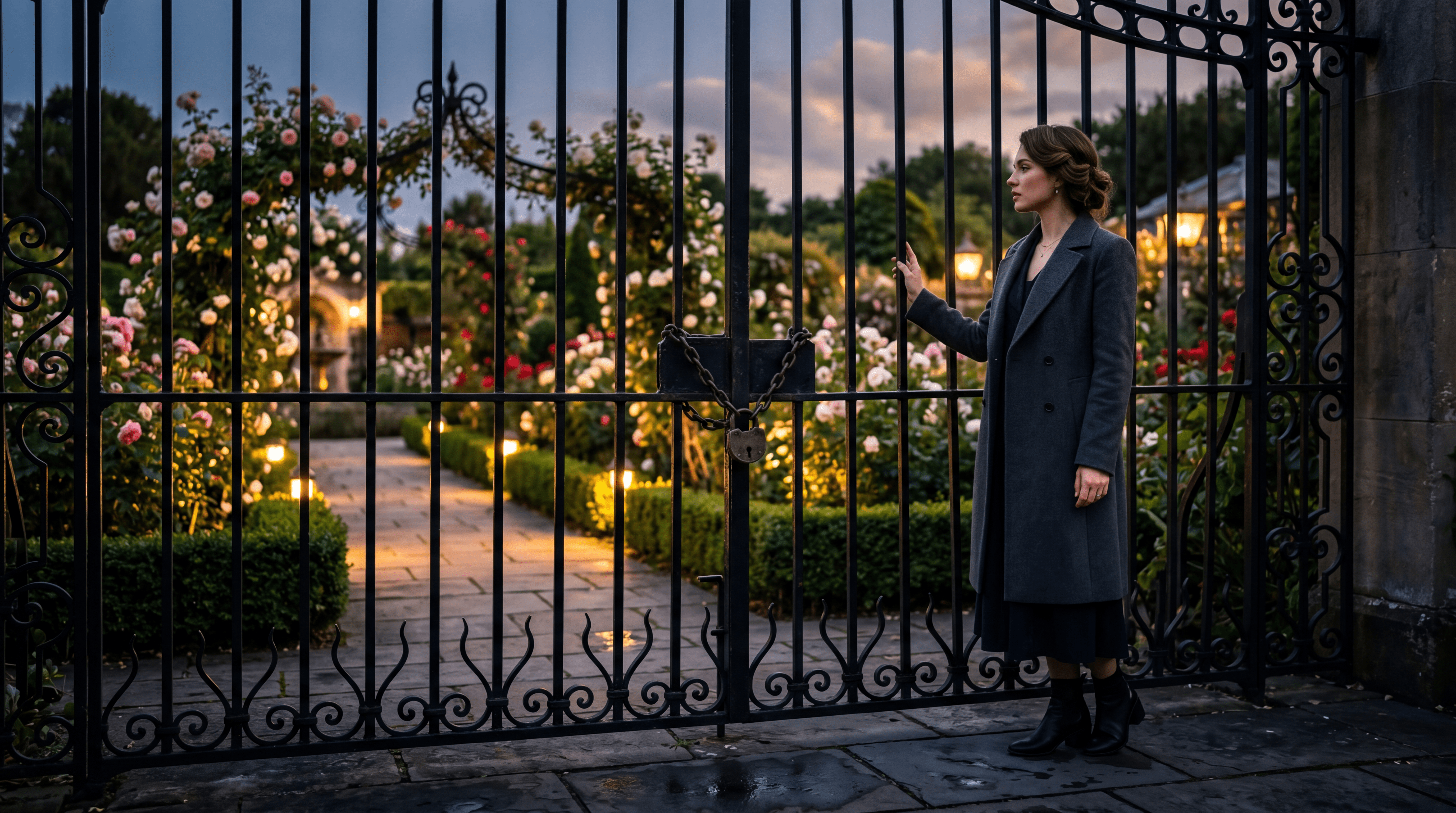
Forbidden fruit means something that seems more exciting, attractive, or tempting because you are not supposed to have it. The expression is often used when something feels desirable because it is restricted, unavailable, or off-limits.
This expression is useful in everyday English because people often feel drawn to things they cannot easily access. A place may feel more mysterious because it is private. A rule may make something feel more tempting. A person may want something more simply because it is unavailable.
Forbidden Fruit Meaning
If something is forbidden fruit, it feels tempting because it is not allowed, not available, or not meant for you. The phrase can describe a place, person, opportunity, experience, object, or choice that becomes more attractive because there is a restriction around it.
For example:
- The private garden felt like forbidden fruit.
- For some people, anything off-limits becomes forbidden fruit.
- The more they told him not to read the letter, the more it felt like forbidden fruit.
- The exclusive club became forbidden fruit because only certain people were allowed inside.
In each sentence, the thing feels more desirable because it is restricted or unavailable.
How Native Speakers Use “Forbidden Fruit”
Native speakers often use forbidden fruit when they want to describe temptation, curiosity, desire, restriction, or attraction to something off-limits. The phrase can sound poetic, dramatic, emotional, or thoughtful depending on the situation.
You might hear someone say:
- That place always felt like forbidden fruit.
- The rule made the experience seem like forbidden fruit.
- He knew it was a bad idea, but it still felt like forbidden fruit.
- Sometimes people want something more because it is forbidden fruit.
The expression is common in stories, conversations about temptation, relationship discussions, personal reflection, marketing, literature, and emotional writing.
Forbidden Fruit vs. Off-Limits
Off-limits means not allowed or not available. It is direct and practical.
For example:
- That room is off-limits to visitors.
- The topic was off-limits during the meeting.
Forbidden fruit is more emotional and descriptive. It does not only mean something is not allowed. It suggests that the restriction makes the thing feel more tempting.
Forbidden Fruit vs. Tempting
Tempting means hard to resist. Something can be tempting because it looks good, feels exciting, or offers pleasure or reward.
For example:
- The dessert looked tempting.
- The offer was tempting, but she was not sure it was right for her.
Forbidden fruit is a specific kind of temptation. It usually means the thing is tempting because it is restricted, unavailable, or not supposed to be chosen.
Forbidden Fruit vs. Want What You Can’t Have
Want what you can’t have means to desire something more because it is unavailable. This phrase directly explains the feeling behind forbidden fruit.
For example:
- He only wanted the opportunity after it was no longer available.
- Sometimes people want what they can’t have.
Forbidden fruit is more idiomatic and visual. It creates the image of something attractive that you are not supposed to touch, enter, choose, or take.
When to Use “Forbidden Fruit”
You can use forbidden fruit when something feels desirable because there is a restriction around it.
It works well when talking about:
- A private place that feels mysterious.
- A rule that makes something feel more tempting.
- A person, opportunity, or choice that is unavailable.
- A situation where curiosity grows because access is restricted.
- A desire that becomes stronger because something is off-limits.
- A story, image, or emotional scene involving temptation.
Real-Life Example
Imagine a private garden behind a locked gate. The roses are glowing, the path looks beautiful, and the garden feels peaceful and mysterious. The more someone is told not to enter, the more curious and tempted they become.
You could say:
The private garden felt like forbidden fruit. The gate was locked, the roses were glowing, and the more she was told not to enter, the more tempting it became.
In this sentence, forbidden fruit means the garden feels more desirable because it is restricted and unavailable.
Why the Expression Feels Powerful
Forbidden fruit is powerful because it connects language with human psychology. Sometimes, restriction makes desire stronger. When something is unavailable, hidden, private, or forbidden, it can feel more interesting than it would if it were easy to access.
The expression can also carry a warning. Something may feel exciting because it is off-limits, but that does not always mean it is wise, safe, or worth pursuing.
Common Mistake
A common mistake is using forbidden fruit for anything that is simply enjoyable. The expression works best when there is a restriction, rule, boundary, or sense of unavailability.
For example, this sounds natural:
- The locked garden felt like forbidden fruit.
This is less natural if there is no restriction:
- The apple was delicious, so it was forbidden fruit.
In that case, it is better to simply say the apple was delicious or tempting. Forbidden fruit needs the idea of something being off-limits or unavailable.
Practice Sentences
Here are a few natural ways to practice the expression:
- The restricted area felt like forbidden fruit to the curious students.
- The more they said the club was exclusive, the more it seemed like forbidden fruit.
- That opportunity became forbidden fruit once it was no longer available.
- The private garden felt like forbidden fruit behind the locked gate.
- Sometimes, the things we cannot have are the things that tempt us the most.
Quick Summary
Forbidden fruit means something that seems more exciting, attractive, or tempting because you are not supposed to have it. It is similar to off-limits, tempting, and want what you can’t have, but it is more visual and emotional. Use it when something feels desirable because it is restricted, unavailable, or forbidden.