
Introduction – A Night Without Rain
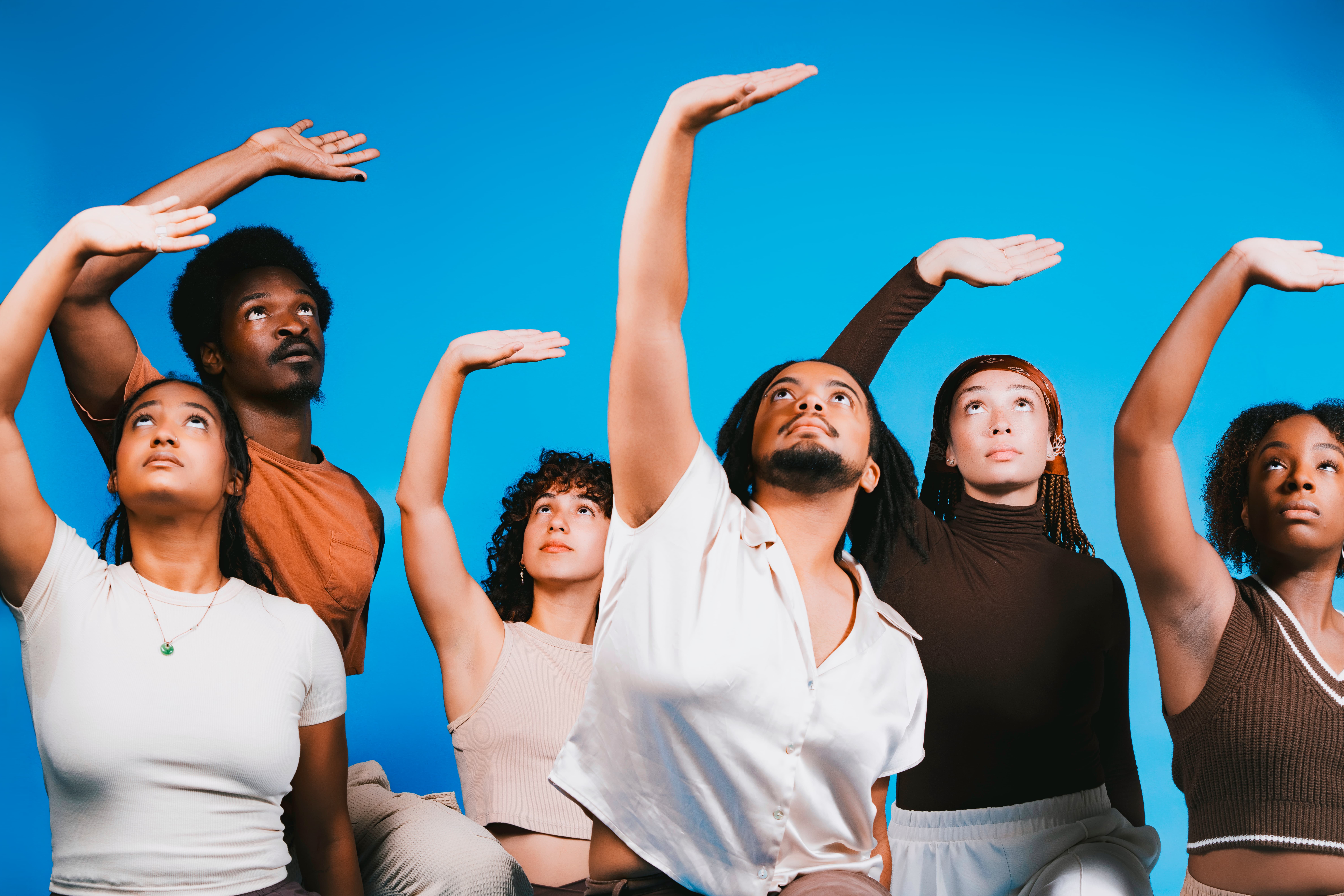
Under the soft glow of stage lights and the hush of anticipation, the air itself seemed to move — a quiet vibration before the first step — as motion became language. In Be No Rain by Aiden Marshall, each breath, gesture, and pause spoke to something larger: grief transformed into rhythm, rage reshaped into grace, and identity unfolded in color and shadow. The performance, part of the Center's Artist-in-Residence Cambridge 2025 series, invited audiences to witness movement as memory and resistance.
There was no rain that night—only the pulse of bodies in conversation, grounded in jazz, spoken word, and silence. Marshall, a queer Black artist based in Boston, drew from lived experience and ancestral echoes, guiding five dancers through choreography that asked not for answers, but recognition. As the audience leaned into the light, Be No Rain became both shelter and storm: a promise that even mourning can move.
About the Performance: What "Be No Rain" Means
In Be No Rain, the stage became a landscape of memory—where mourning, rage, betrayal, and eventual healing moved through the body like weather. Bodies rippled like wind through tall grass; grief broke and gathered again, never quite gone.
Drawing its name and spirit from Gil Scott-Heron's lyric "I think I'll call it morning from now on / Be no rain," the work transformed personal grief into collective light. It asked what freedom looked like after heartbreak, and how identity could bloom again once the storm had passed.
Developed through the Artist-in-Residence Cambridge 2025 program at the Multicultural Arts Center, this evening-length dance performance began as a short work for NACHMO Boston 2025 and later evolved at MELLE's Works-in-Progress showcase, where audiences first saw Marshall's choreography explore the tension between solitude and solidarity. Each new iteration deepened the emotional language—shifting from private reflection toward public release.
At its full scale, Be No Rain stood as a performance of mourning, resilience, and transformation. Through the interplay of jazz, spoken word, and contemporary movement, Marshall invited audiences to witness what remained when sorrow dissolved: a dance piece exploring Black queer identity, resilience, and the quiet strength of choosing to live on.
Aiden Marshall: The Artist and Visionary
At the heart of Be No Rain stands Aiden Marshall—an independent Black choreographer known to Boston audiences for turning emotion into architecture. A graduate of the University of North Carolina Greensboro with a BFA in Dance Choreography and Performance, Marshall approaches movement as both memory and mirror, weaving personal truth into collective rhythm.
Based in Boston, they have performed with Jean Appolon Expressions, Grisha Coleman, and in self-produced works that center Black and queer narratives—a signature of their evolving creative language.
As co-founder of TransDans Boston, Marshall builds platforms for trans and gender-expansive artists, while their ongoing role as a teacher with the MIDDAY Movement mentorship program grounds that advocacy in community practice. Now completing a BIPOC artist residency through Cambridge 2025 at the Multicultural Arts Center, Marshall continues to expand what contemporary movement can hold: grief, resilience, and self-definition.
Be No Rain was not just a performance—it was the culmination of years spent cultivating a language of liberation through dance, where artistry became healing and visibility itself became resistance.
The Creative Ensemble: Voices in Motion
Every movement in Be No Rain carried the collective heartbeat of its ensemble—a group of emerging and established artists whose collaboration transformed choreography into conversation. The dancers Imani Deal, Itzel Herrera Garcia, Izzi King, Miranda Lawson, and Theophile Victoria brought distinct training, heritage, and vision to the stage, embodying the diversity at the core of the Artist-in-Residence Cambridge 2025 program.
Together, they wove a vocabulary shaped by hip-hop, modern, and Afro-diasporic influences, grounding each sequence in lived experience. From Herrera Garcia's fluid explorations of liberation and lineage to Lawson's community-centered choreography and Victoria's fusion of theater and dance, every performer contributed to the emotional architecture of the work.
Their collaboration represented more than performance—it became a residency Boston audiences could see and feel, where shared vulnerability became movement and shared identity became art. Within this creative circle, Be No Rain emerged not as a solo voice, but as a chorus of stories moving toward the same horizon: healing, truth, and transformation.
Inside the Performance: Scenes, Music, and Meaning
From the opening stillness to the final surge of motion, Be No Rain unfolded as a live performance that breathed in rhythm and exhaled memory. Each vignette formed part of an evening-length work rooted in ritual, intimacy, and light.
In Meditative I – Songs for the Self, dancer Itzel Herrera Garcia moved slowly beneath a single warm spotlight to Duke Pearson's "Cristo Redentor," accompanied by Audre Lorde's declaration that "caring for myself is not self-indulgence…it is self-preservation." The solo felt both like prayer and protest—a moment of solitude that anchored the audience in reflection.
One segment, Guarded, paired Aiden Marshall and Theophile Victoria in a duet set to Shabaka and E L U C I D's "Body to Inhabit," underscored by James Baldwin's reminder that "nothing can be changed until it is faced." Their bodies circled and collided—shoulders trembling, breath sharp—mirroring confrontation and surrender, rage and release.
In Sankofa, the full ensemble reemerged to Nina Simone's "You'll Never Walk Alone," tracing arcs of reconciliation beneath shifting amber light. In the closing section, Pharoah Sanders' saxophone erupted like sunrise—an explosion of gold light and breath—as dancers scattered, collided, and rose again. It was an invocation of Gil Scott-Heron's lyric: "I'm gonna take myself a piece of sunshine… and I think I'll call it morning from now on."
Here, movement became language, music became memory, and light became healing. Audiences witnessed mourning transfigured into motion—a testament to what remains when grief finds grace.
Community and Collaboration: The Residency's Impact
At the Multicultural Arts Center, art and community merge through dialogue, mentorship, and shared vision.
Be No Rain emerged from this ecosystem—developed as part of the Artist-in-Residence Cambridge 2025 initiative led by Artistic Director Najee Brown, whose program transforms the gallery's historic theater into a living studio for experimentation and growth.
The residency not only provided space but also offered a platform for conversation. Funded in part by the Cambridge Community Foundation, it represents the Center's ongoing commitment to inclusion and innovation. Through initiatives like the Backstage Access Project, artists of color are offered visibility, resources, and support to bring underrepresented narratives to light.
Marshall's work exemplifies that mission: a mentorship-rooted collaboration grounded in care. The piece grew through collective effort—guided by Nailah Randall-Bellinger, supported through mentorship from Marissa Molinar via MIDDAY Movement, and shaped by the trust of fellow performers who helped choreograph the work from within.
The result is more than a performance—it's a living testament to what happens when institutions honor process as much as product, allowing artists like Marshall to redefine contemporary performance through community itself.
Why It Matters: Representation, Healing, and Identity
At its core, Be No Rain is a dance piece exploring Black queer identity—an act of resilience that transforms personal history into shared healing. Through movement, Marshall and their ensemble traced the full emotional arc of survival: mourning, rage, betrayal, and release. Each phrase of choreography became a mirror of lived truth, proving that expressing emotions through dance can be both political and deeply human.
For global audiences, the performance offers a lesson in empathy and language. It's a living example of performance vocabulary in motion, where words like "freedom," "grief," and "rebirth" are embodied rather than spoken. The use of quotes by Audre Lorde, James Baldwin, Cicely Tyson, and Gil Scott-Heron transforms the stage into a classroom of liberation.
In the wider Boston queer arts scene, Be No Rain stands as a statement on what art can do when given room to breathe. It is not only a performance of mourning and resilience, but a declaration that art heals when identity is seen—that visibility is itself a kind of freedom, and that every step toward the light is an act of defiance and hope.
How Audiences Experienced Be No Rain
Audiences experienced Be No Rain by Aiden Marshall at the Multicultural Arts Center on October 16, 2025, as part of the acclaimed Artist-in-Residence Cambridge 2025 series.
This evening-length dance performance unfolded at the historic East Cambridge theater — just steps from Lechmere Station, amid restaurants, galleries, and other creative spaces that made for an inspiring night out.
With limited seating and an immersive staging approach, the performance invited viewers into an intimate dialogue with movement, memory, and light.
Be No Rain stood out as one of the most emotionally charged and visually stunning works to emerge from the Backstage Access Project. For many in the audience, it offered an unforgettable encounter with performance art that lingered long after the curtain fell.
Closing Reflection: "I Think I'll Call It Morning"
As the final notes of Pharoah Sanders' "You've Got to Have Freedom" dissolved into silence, Be No Rain left the audience suspended in that rare stillness between sorrow and sunrise. Gil Scott-Heron's lyric—"I think I'll call it morning from now on"—became both benediction and blueprint: a promise that healing is not the absence of pain, but the choice to rise again.
In this last gesture, Marshall and the ensemble offered more than choreography; they offered renewal. What began as a work of mourning and resistance transformed into an affirmation of life, art, and visibility. Within the warm brick walls of the Multicultural Arts Center, Be No Rain closed not with rain, but with light—the kind that catches in your throat before applause, when breath and silence become the same thing. Morning always begins there.